Konnichiwa and welcome to Japan. An island country in East Asia located in the Pacific Ocean off the northeast coast of Asian Mainland and bordered on the west by the Sea of Japan and extends from the Sea of Okhotsk in the north to the East China Sea in the south.
Japan consists of four major islands and thousands of smaller islands covering 145937 square miles. it has a population of over 123 million as of 2025 making it the eleventh most populated country in the world. The country sits in the Ring of Fire making its islands prone to ldestructive earthquakes and tsunamis.
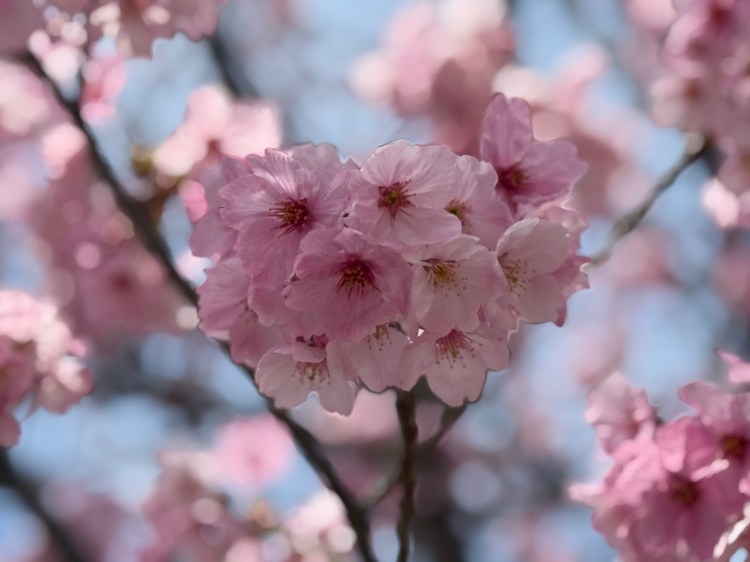
About 3/4 of the terrain in Japan is mountainous and heavily forested. it is a truly beautiful country.
We did one month in Japan and tried to hit some of the main cities using the train system to transport us around the country. We found the Shinkansen easy to maneuver and if ever we questioned if we were getting on the right train there is always someone at the ticket gate to guide you through.
TOKYO
We began in Tokyo. We spent thirteen days there. We visited the Ueno Zoo, which was the first modern zoo in Japan established in 1882, this was a fun zoo to visit with many animals we had never seen before as well as animals we were familiar with. We enjoyed the Chinese Panda, gorillas, tigers, flamingos, black rhino, elephants and so much more. We also visited Asakusa, Ueno Park and the Sensoji Temple. This was a beautiful extension to our time at the zoo. For visitor information click here: Ueno Zoological Gardens – TokyoZooNet
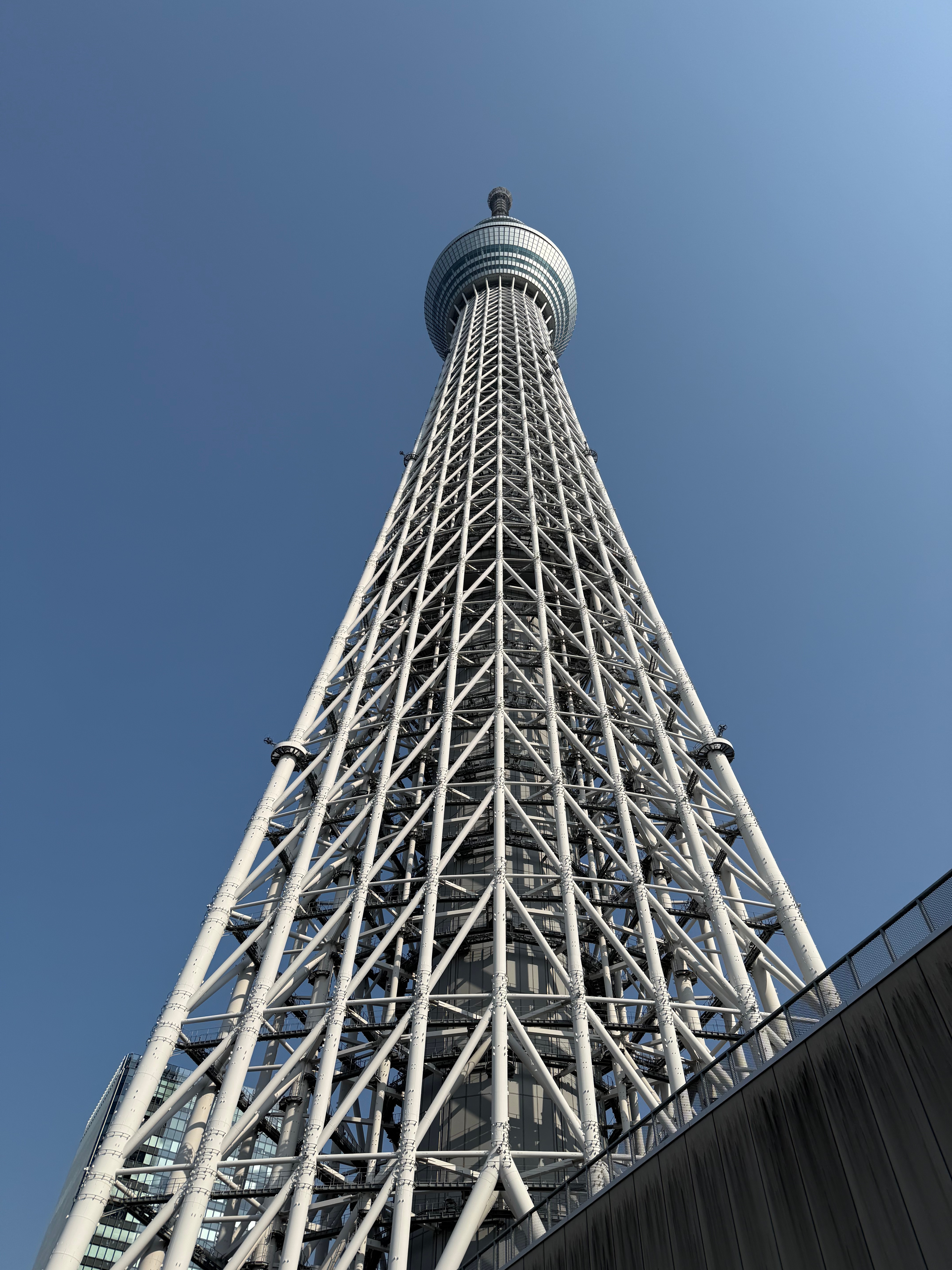
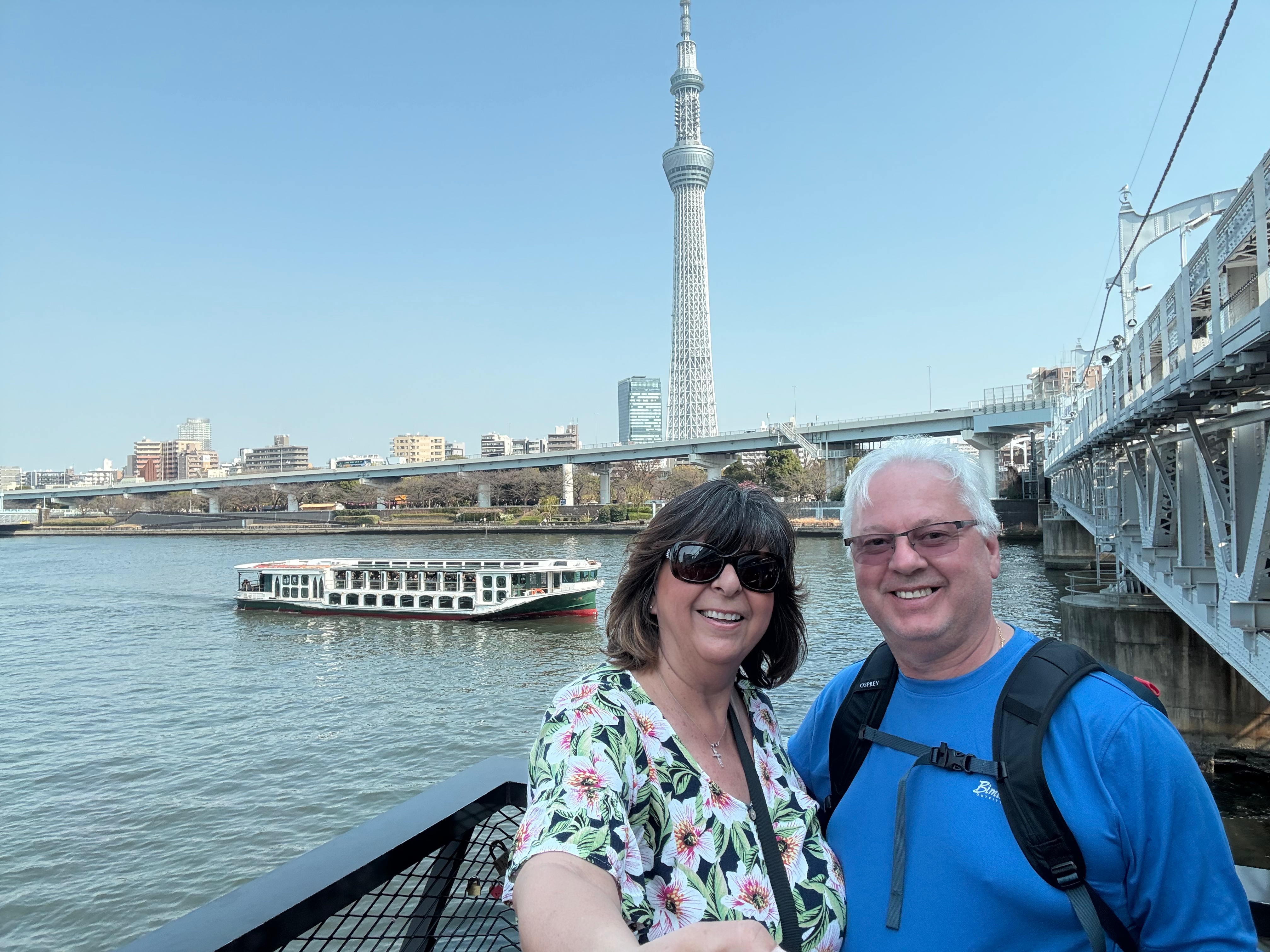
We went up in theTokyo Sky Tree, and it was an experience we won’t soon forget. We were so high up at 450 meters you could see all of Tokyo. Reservations are highly recommended so plan ahead. For ticket information click here: TOKYO SKYTREE, Tokyo is huge, and I think this was one of our favorite things to do. TOKYO SKYTREE features two main observation areas: the Tembo Deck at 350 meters (1,148 feet) and the Tembo Galleria at 450 meters (1,476 feet). Each spans three floors, offering unique experiences and breathtaking views.
At the very top of the Galleria lies “The Sorakara Point,” the highest accessible spot in the tower at 451.2 meters (1,480 feet). And all I can say is WOW! The views were amazing!!

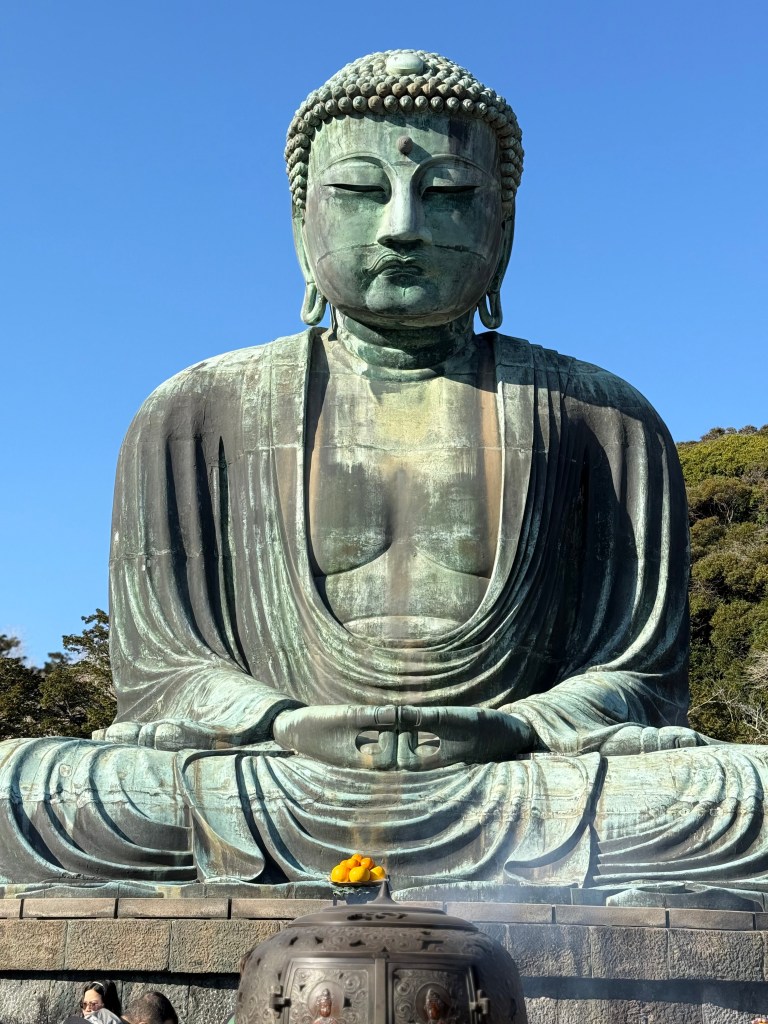
From Tokyo we took the train to Kamakura about an hour south of Tokyo. this made for the perfect day trip from Tokyo and was well worth the visit. We were able to visit the Great Buddha (Kotoku-in), Hokokuji Temple, the Hachimangu Shrine, Hasa-dera Temple (my personal favorite), and Tsurugaoka Hachimangu and we ate at the very popular Cafe Milk Hall. This is a very popular dining destination and is on a first come first serve basis so get there early and prepare to wait in line. https://www.milkhall.co.jp/mug/english/english.htm
Nagano
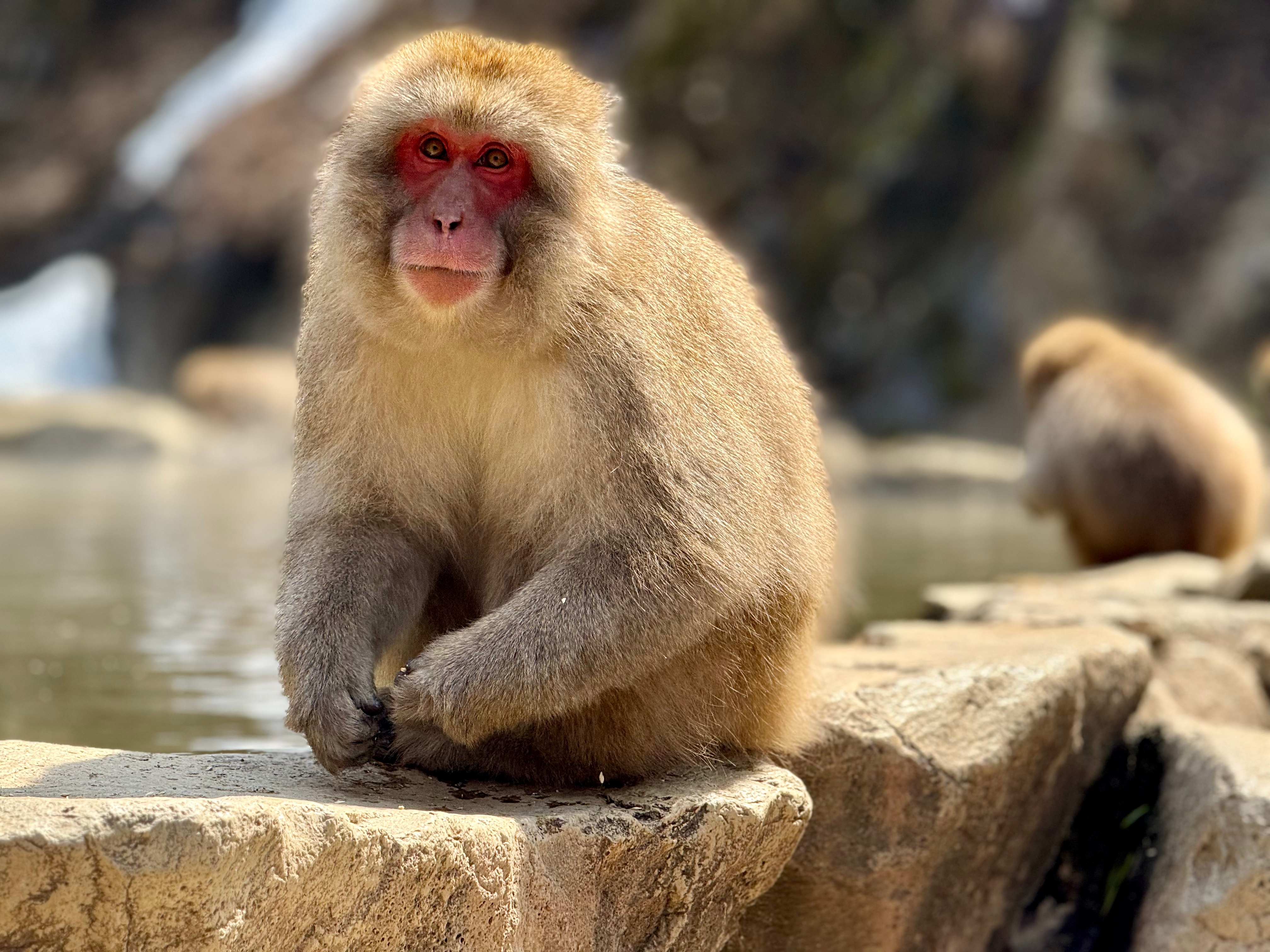
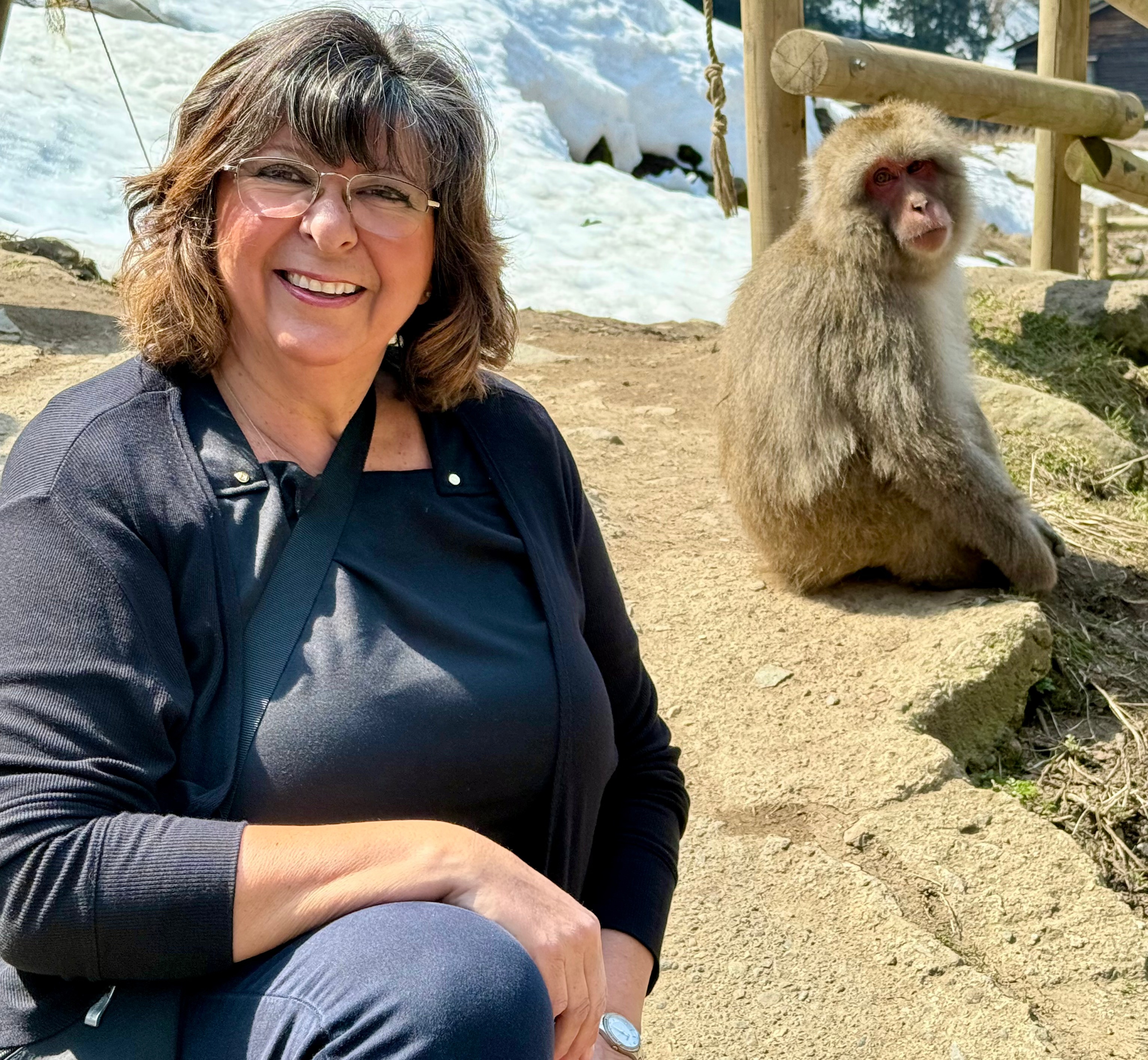
From Tokyo we took the Shinkansen to Nagano, home of the 1998 Winter Olympics, where we spent three days. We visited the Snow Monkey Park where you can experience snow monkeys up close and personal. These are wild creatures and there are rules to follow but it was a once in a lifetime experience one I will never forget. This is the primary reason we came to Nagano. We enjoyed our time here and would love a return visit. There is a bit of a hike so be prepared for that, however it is doable and there are plenty of areas to stop and rest on the way. For visitor information, fees and hours of operation click here: Snow Monkey Park Information & Updates – Snow Monkey Resorts
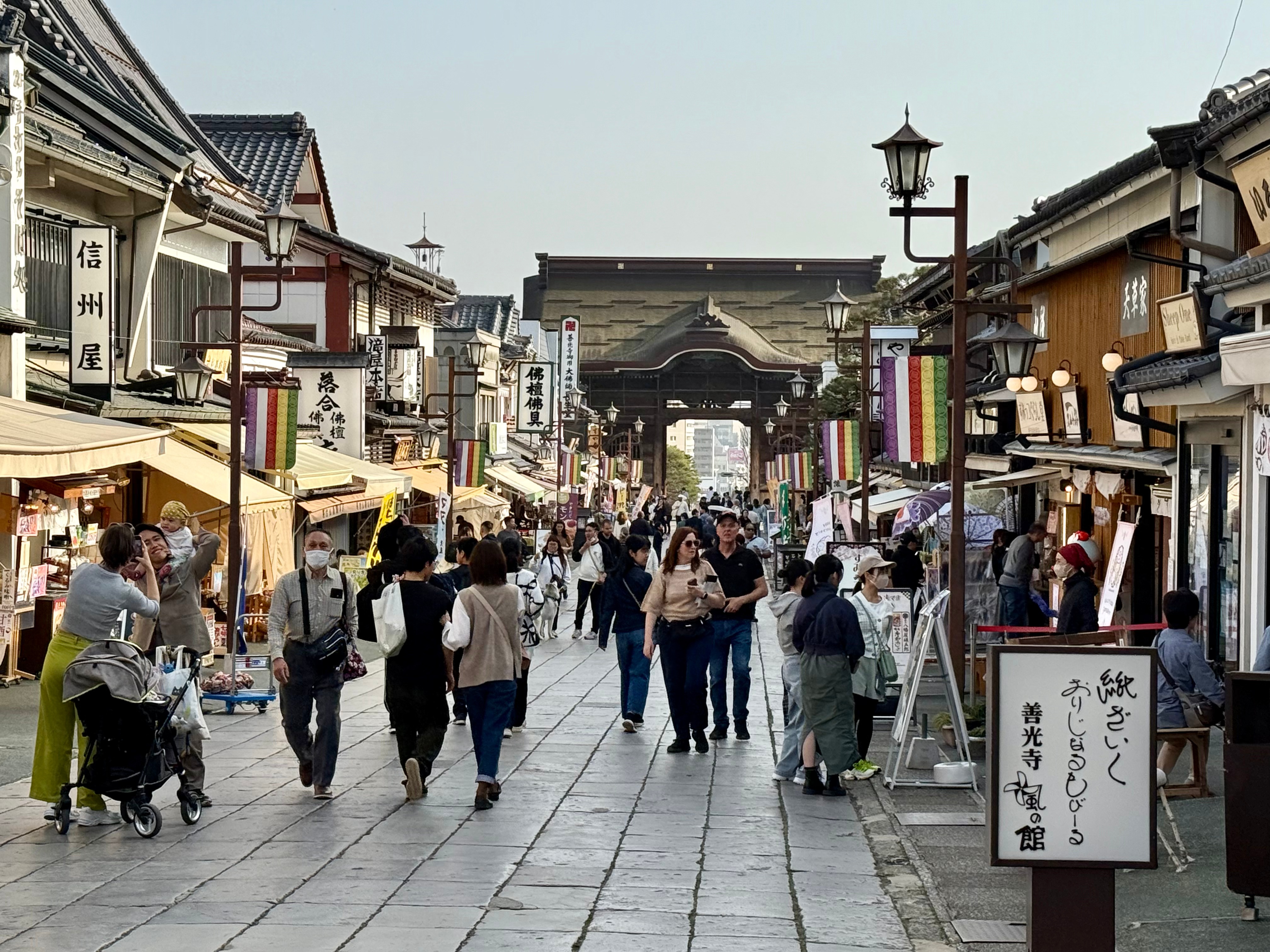
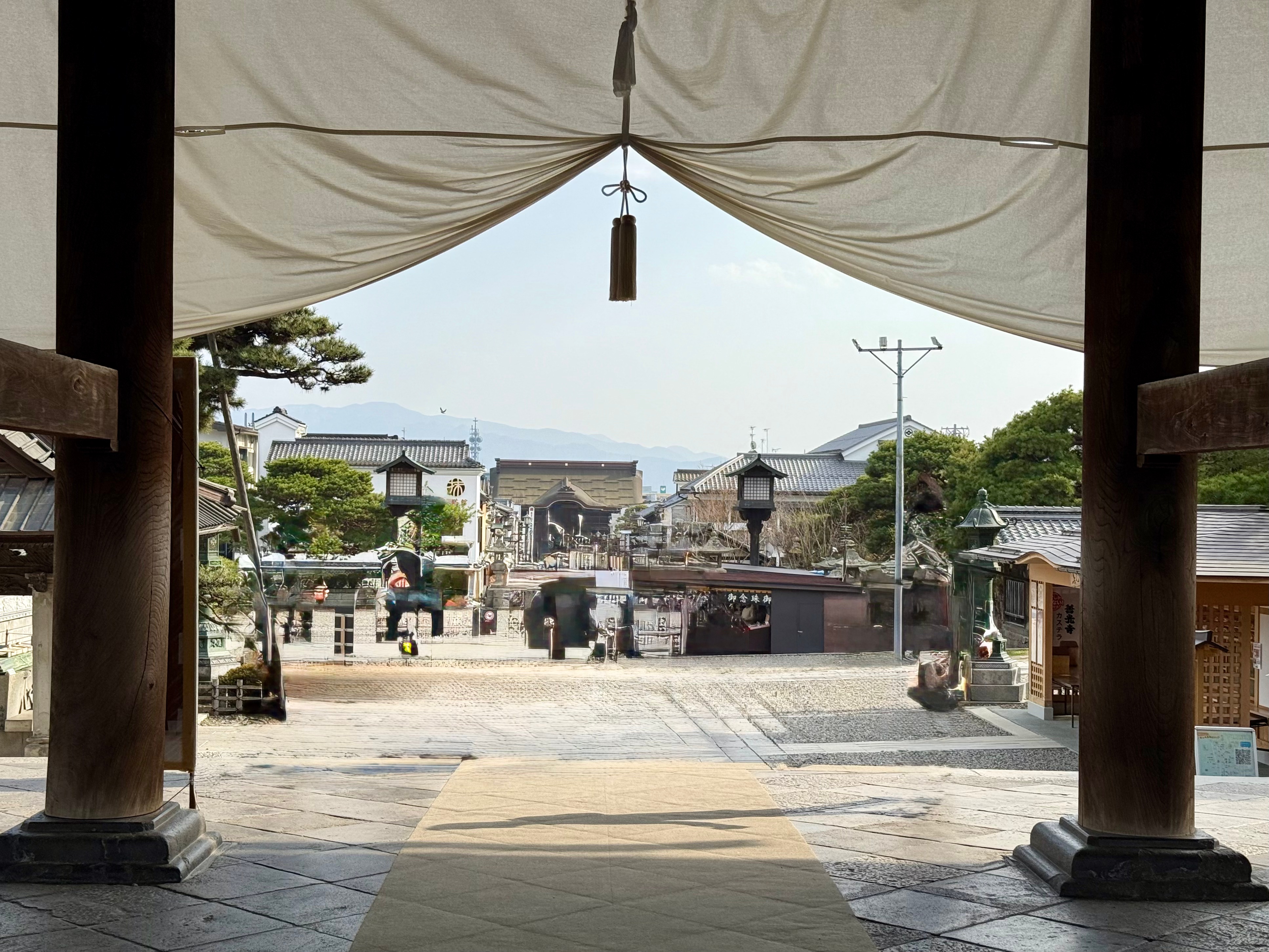
The other thing we did in Nagano is visit the Zenkoji Temple and history Museum. Centered in the heart of Nagano this is a must visit for this area. Founded in the 7th century, this temple stores the first Buddhist statue ever to be brought into Japan. For visitor information click here: Zenkoji Temple – Nagano Travel

Here is a link to more information https://www.japan-guide.com/e/e6028.html
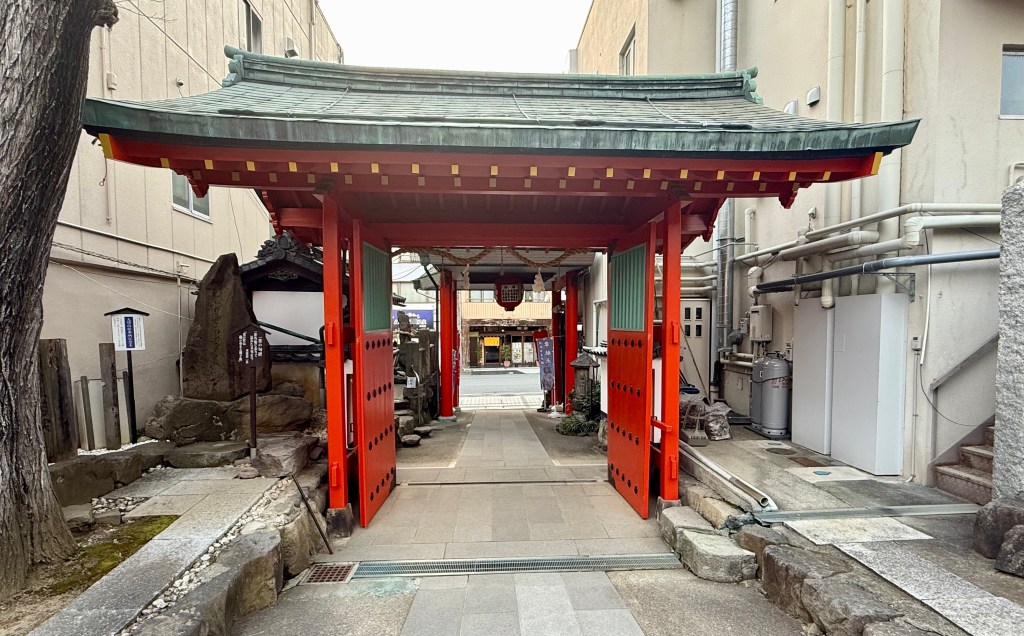
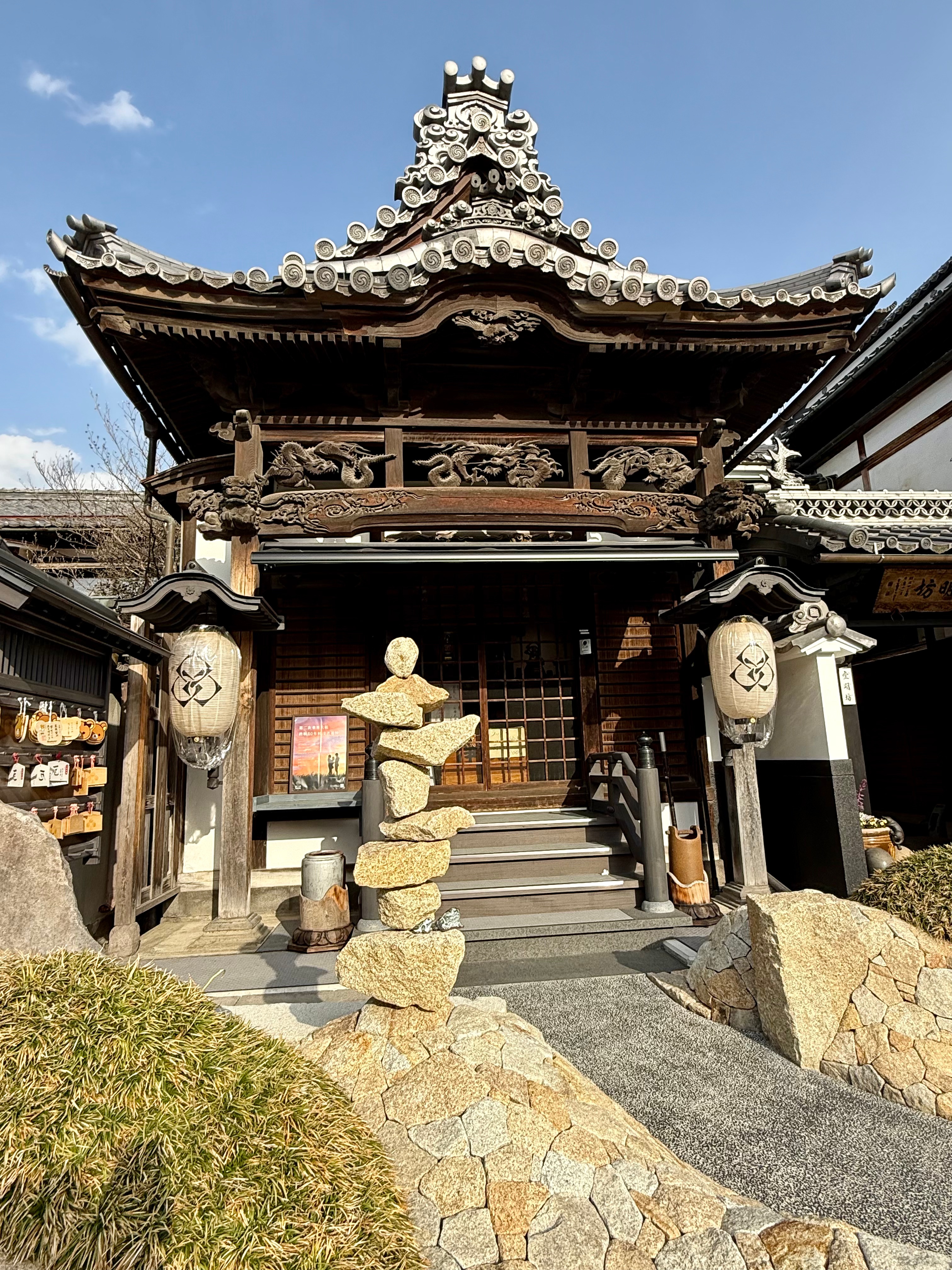
Our second day in Nagano we went to two Temples, a small temple just down the road from our hotel the Saiko-ji Temple, founded in 1199 and the Zenkoji Temple founded in the seventh century and home of the first Buddhist statue ever brought into Japan in the sixth century. So when visiting Nagano make sure you allow time for more historical and cultural sites to see.
Kanazawa
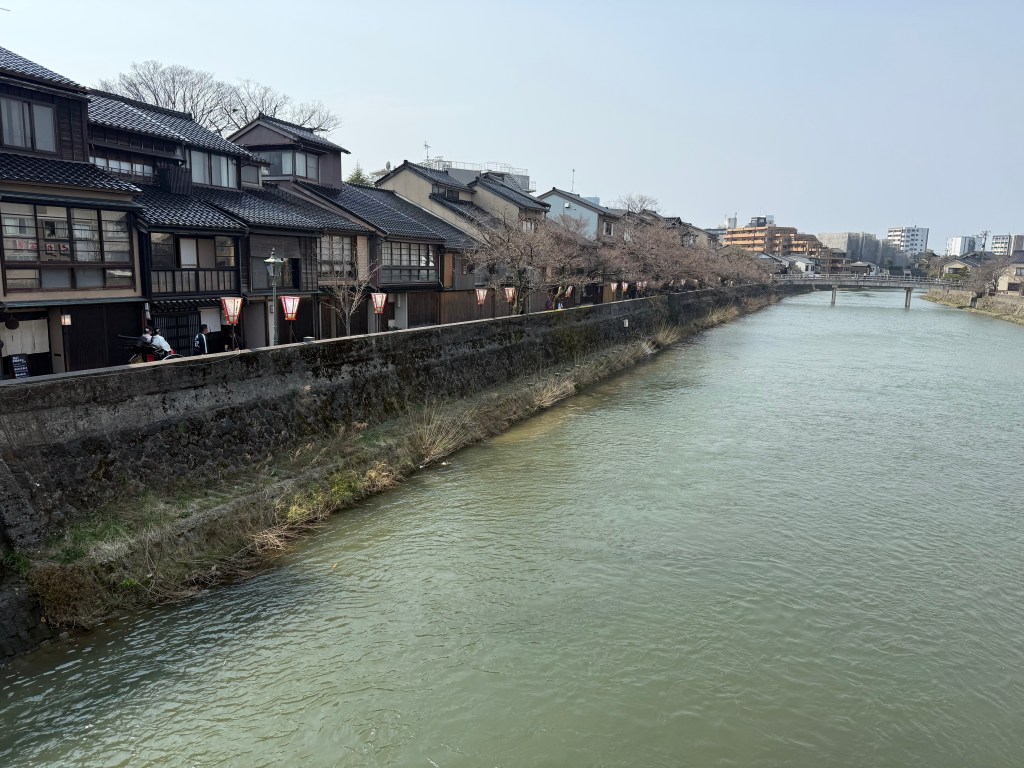
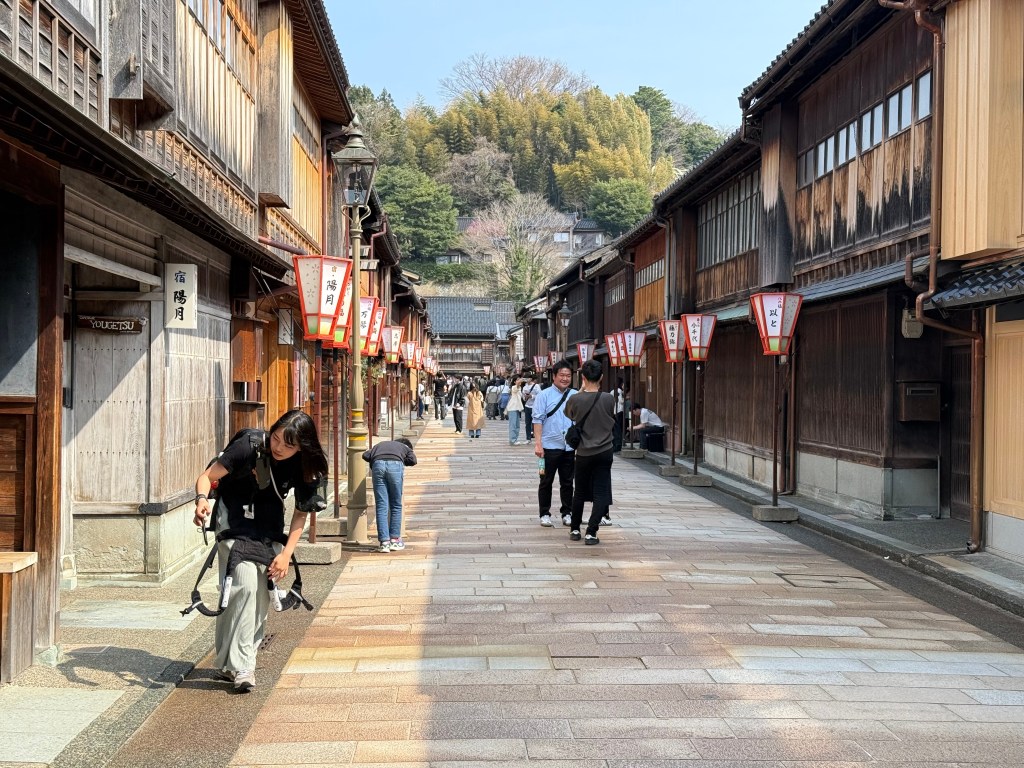
Kanazawa was our next destination. Again, we traveled by Shinkansen and here we stayed just two nights. Kanazawa was a pleasant surprise. We really liked that area.
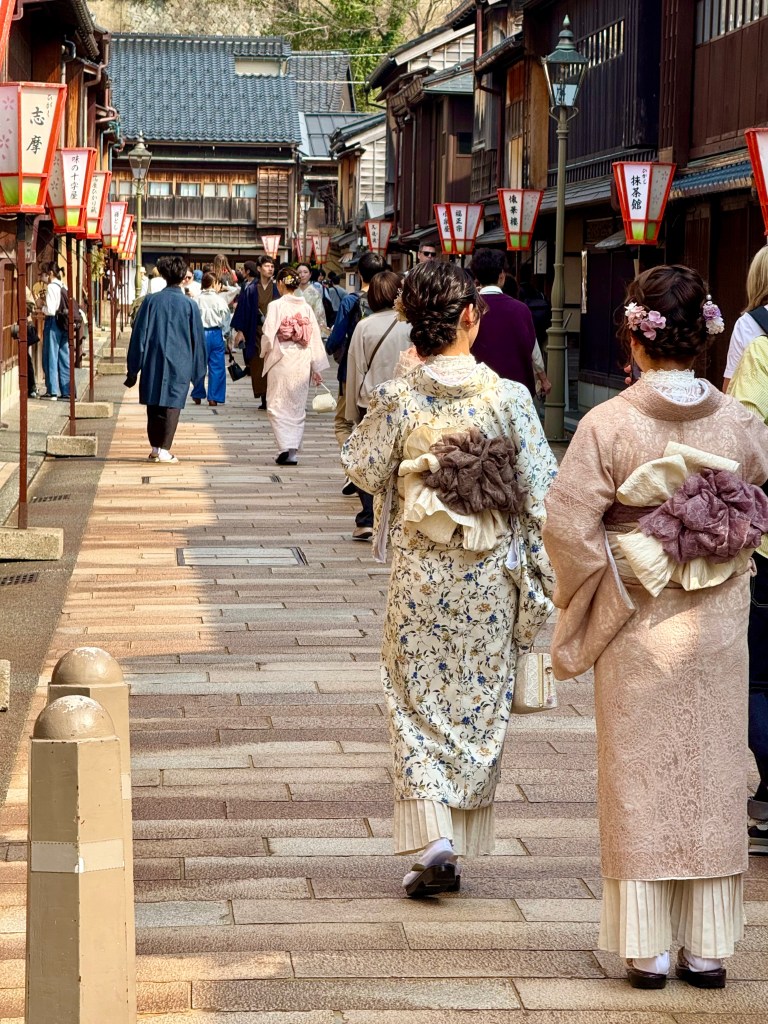
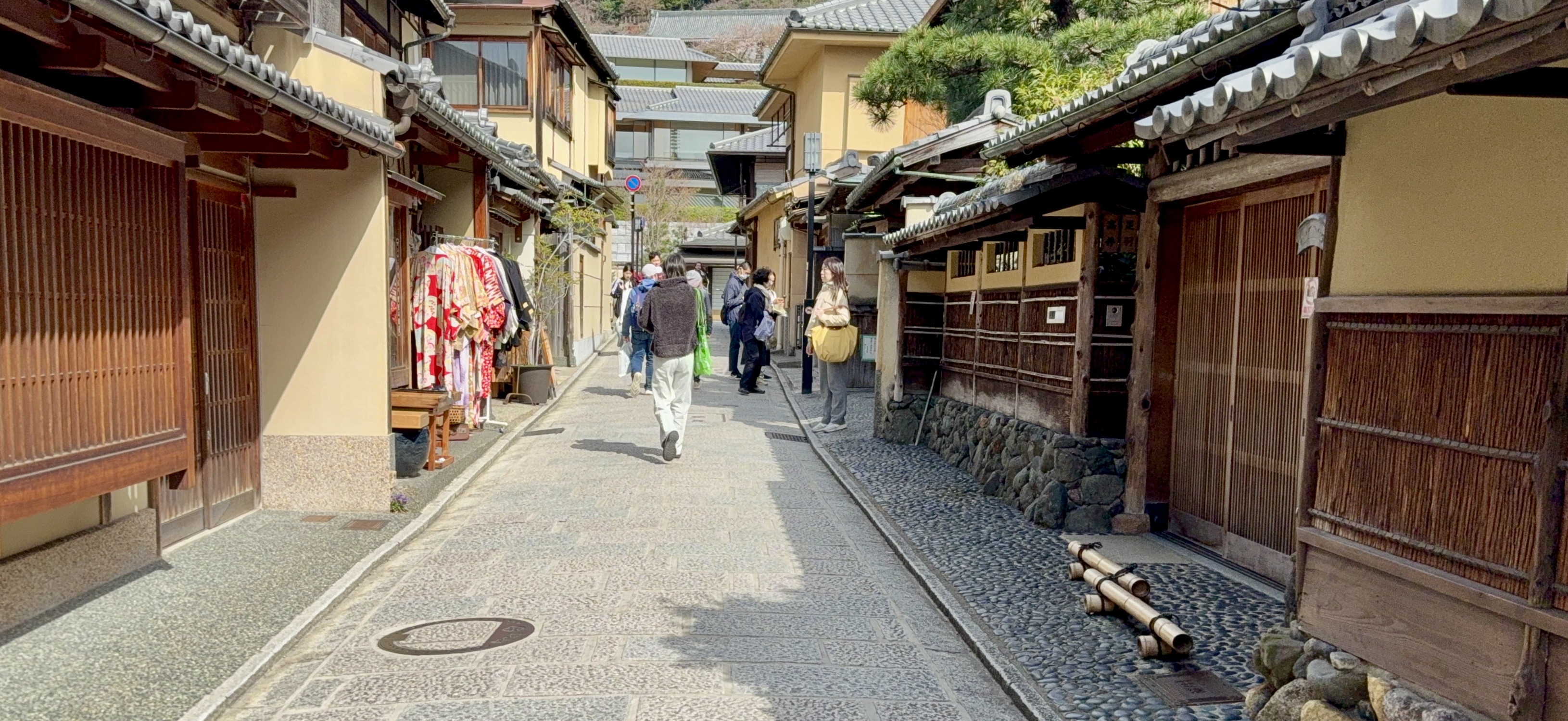
Our goal there was to visit the Edo period town of Higashi Chaya District dating back from 1603-1868, Higashi Chaya District is in the Higashiyama area, home of one of three well preserved Geisha districts still remaining and still active in Japan. The area is designated as a cultural asset. The beautiful wooden Chaya have been well preserved as is a beautiful sight to see. Kanazawa is also home to Gold leaf production , producing 99% of the gold leaf used in Japan. So be sure and stop in one of the gold leaf gallery’s or the Yasue gold Leaf Museum.
Kyoto
Kyoto is the next stop on our trip, we spent four days here and we felt like that was enough time to see most of what we had set out to see.
Kyoto is home to over a dozen Unesco World Heritage Sights and has more than 1600 temples and 400 Shrines. It is important to visit the ones you want to see, we tried to choose the most historical or those listed on the Unesco sight as you could easily get Temple burnout.
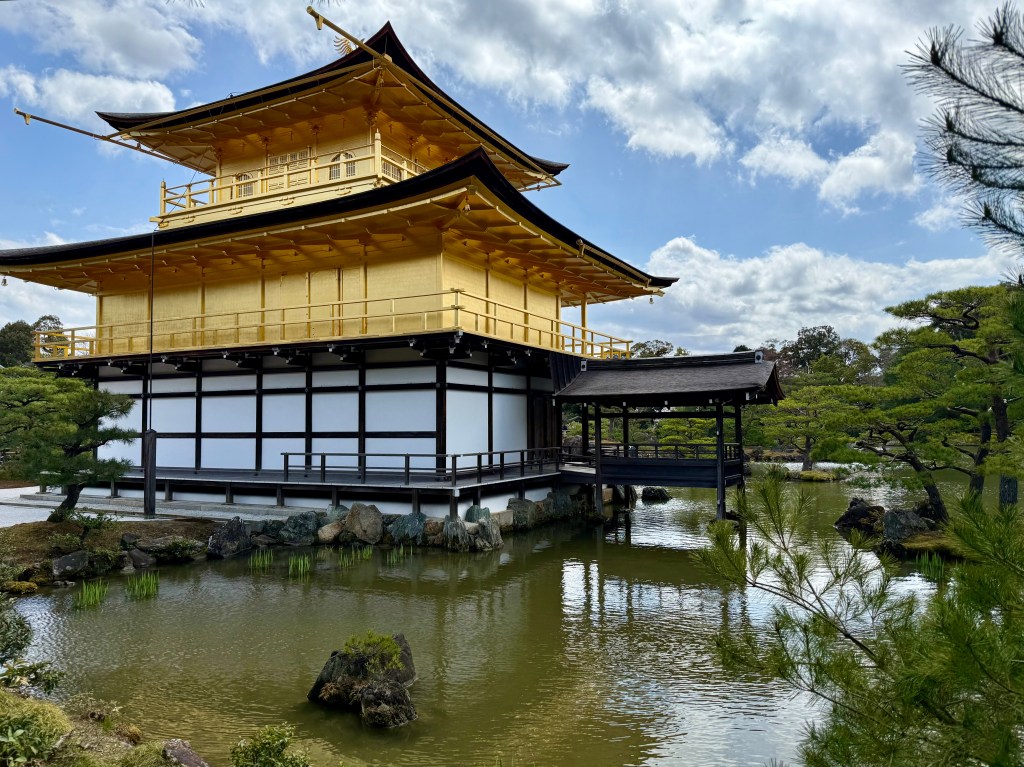
Some of our favorite destinations might not be yours so do your own homework before you go. Our first stop was Kinkaku-ji aka the Golden Pavilion. This is a World hHeritage Site, a National Special Historical Site, A National Special Landscape and one of seventeen Historic Monuments of ancient Kyoto.
The structure was originally built in 1399 but was burned down in 1950 by a novice monk. It was rebuilt in 1955. it is three stories high and the top two floors are covered in 0.5 um gold leaf weighing 20kg.
For visitor information click here: Kinkaku-ji | 臨済宗相国寺派
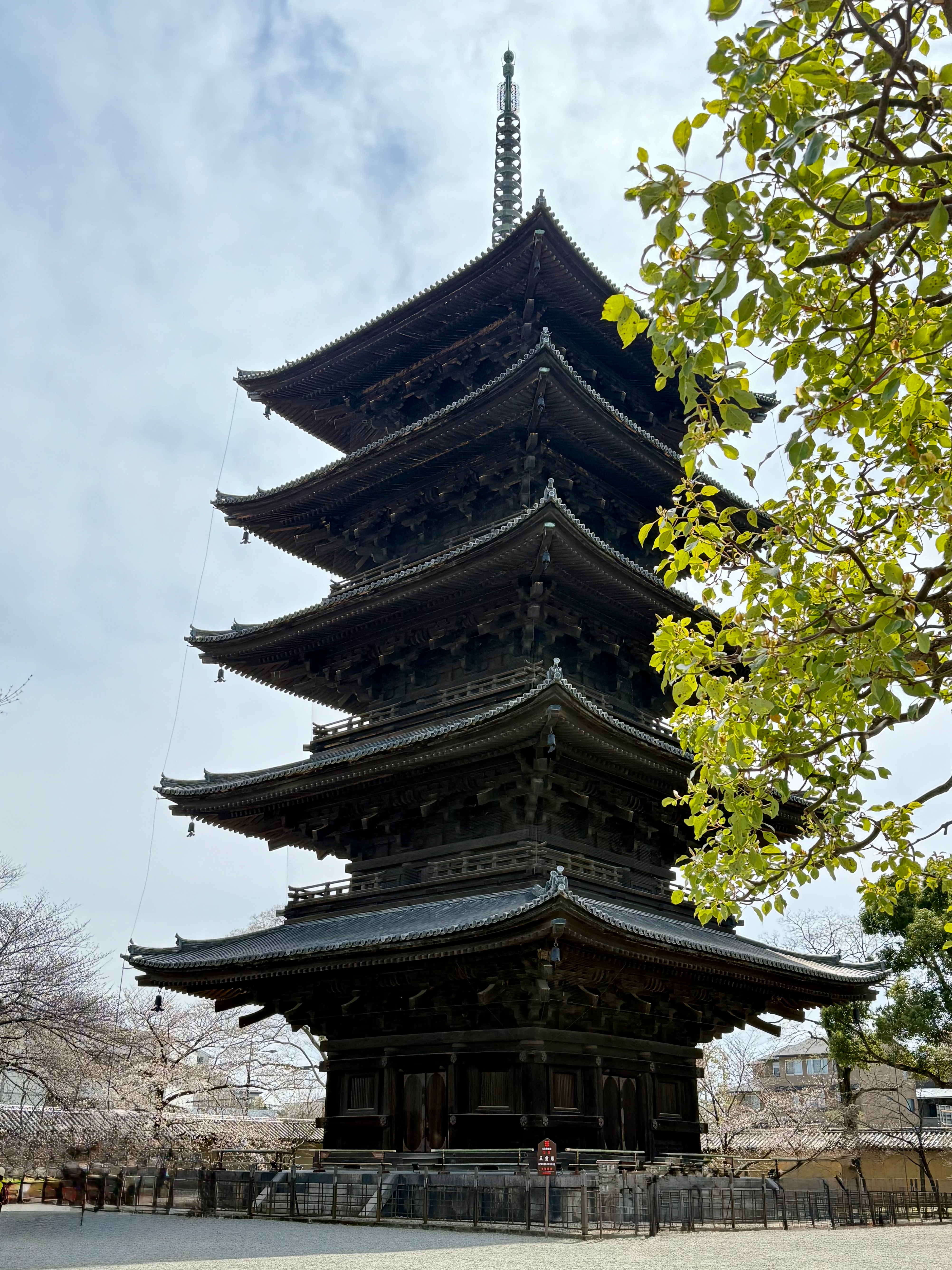
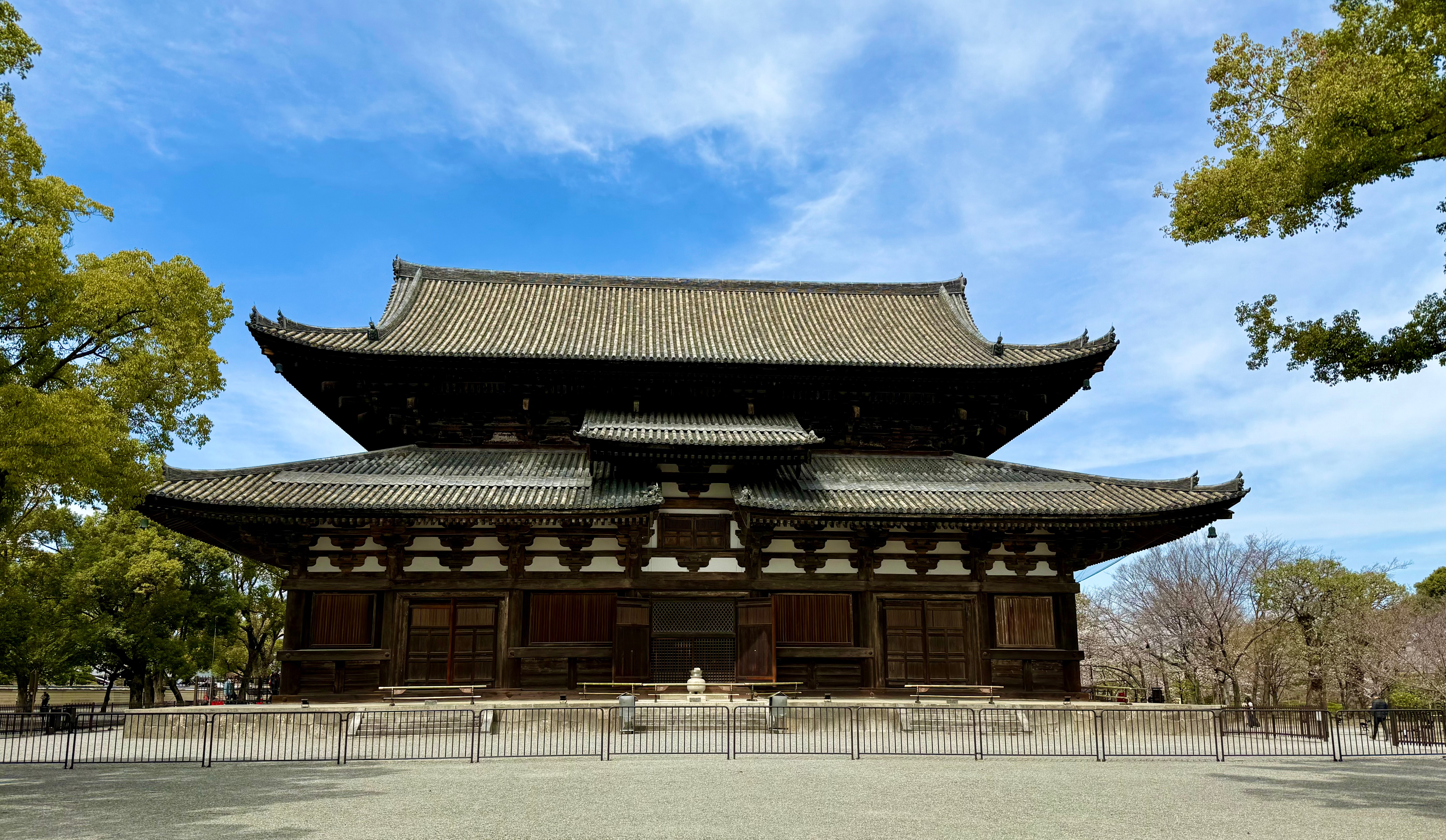
We also visited the Toji Temple. This is also a Unesco world heritage site. Dating back as early as the late 700s during the Heian Period, the Toji Temple offers Japans tallest Pagoda standing 57 meters tall built in 826. These beautiful wooden structures are over 1200 years old. There are several Halls on the grounds as well as a museum. For more information click here: Toji Temple – Kyoto Travel
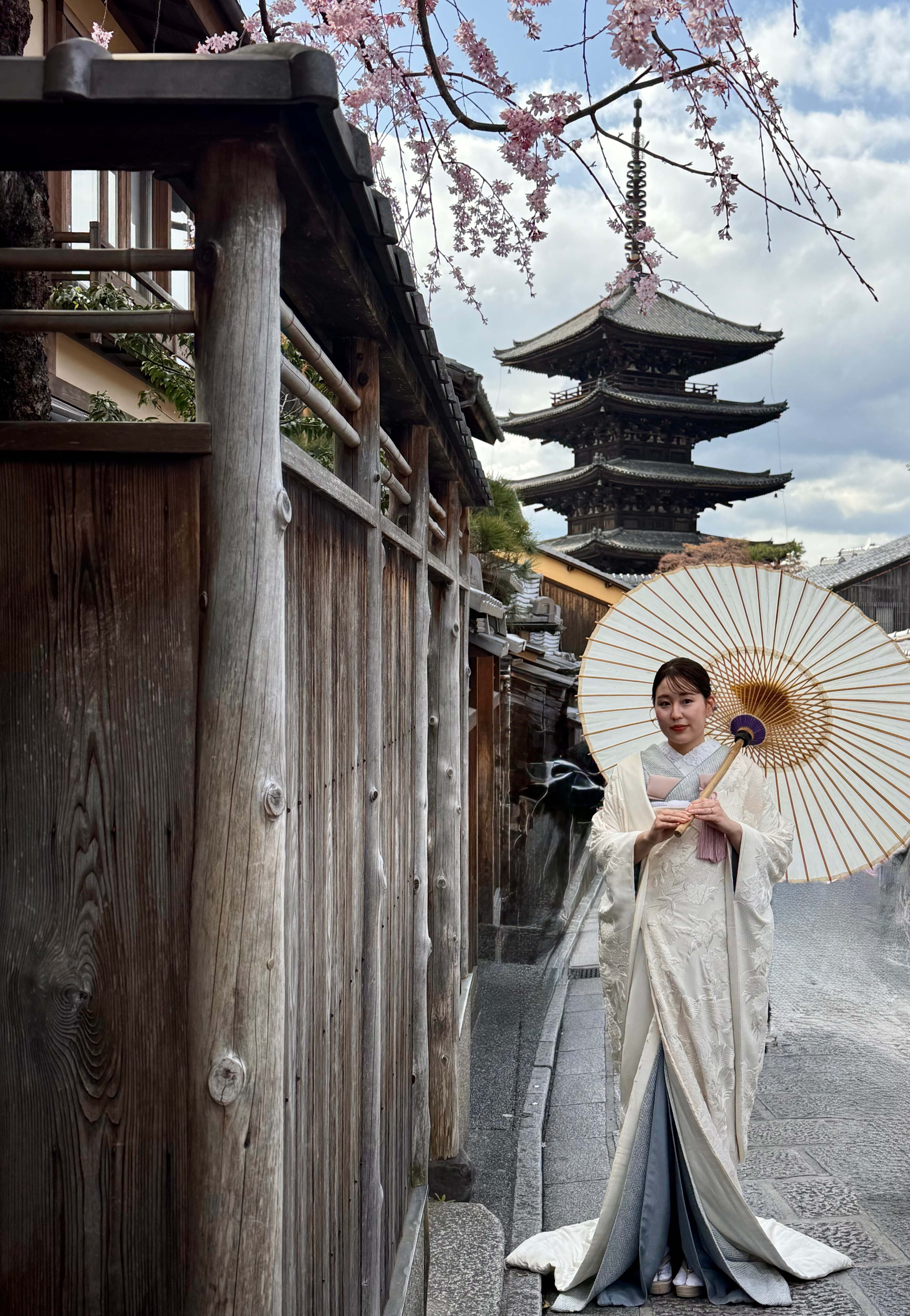
Another must see in your visit to Kyoto is Higashiyama and Gion district, the Yasaka Pagoda and the Hokan-ji Temple. This is a beautiful historical part of Kyoto that you mustn’t miss. This is one of the most beautiful cities located on the east side of Kyoto with its well preserved structures centered by the absolutely stunning five story pagoda which is the last remaining structures of the 6th century. Take your time here and take it all in.
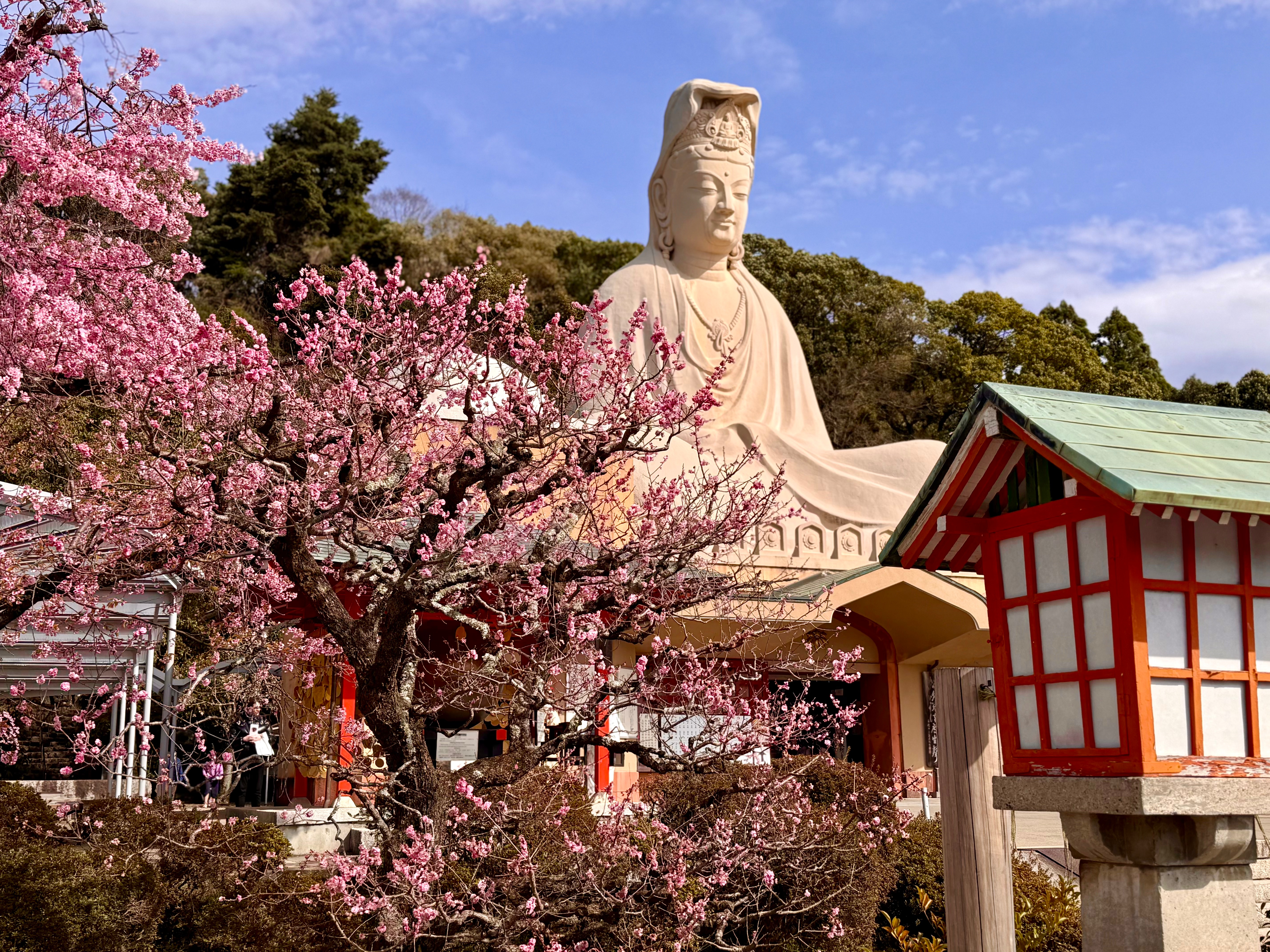
We also visited the Ryozen Kannon Temple and Statue, established in 1955, this is a Buddhist temple and war memorial honoring all victims of the Pacific War. Nestled in the heart of Kyoto’s historic Gion district, the Ryozen Kannon Temple stands as a striking testament to peace and remembrance.
We recommend no less than four days in Kyoto, there is so much to see and do.


Hiroshima
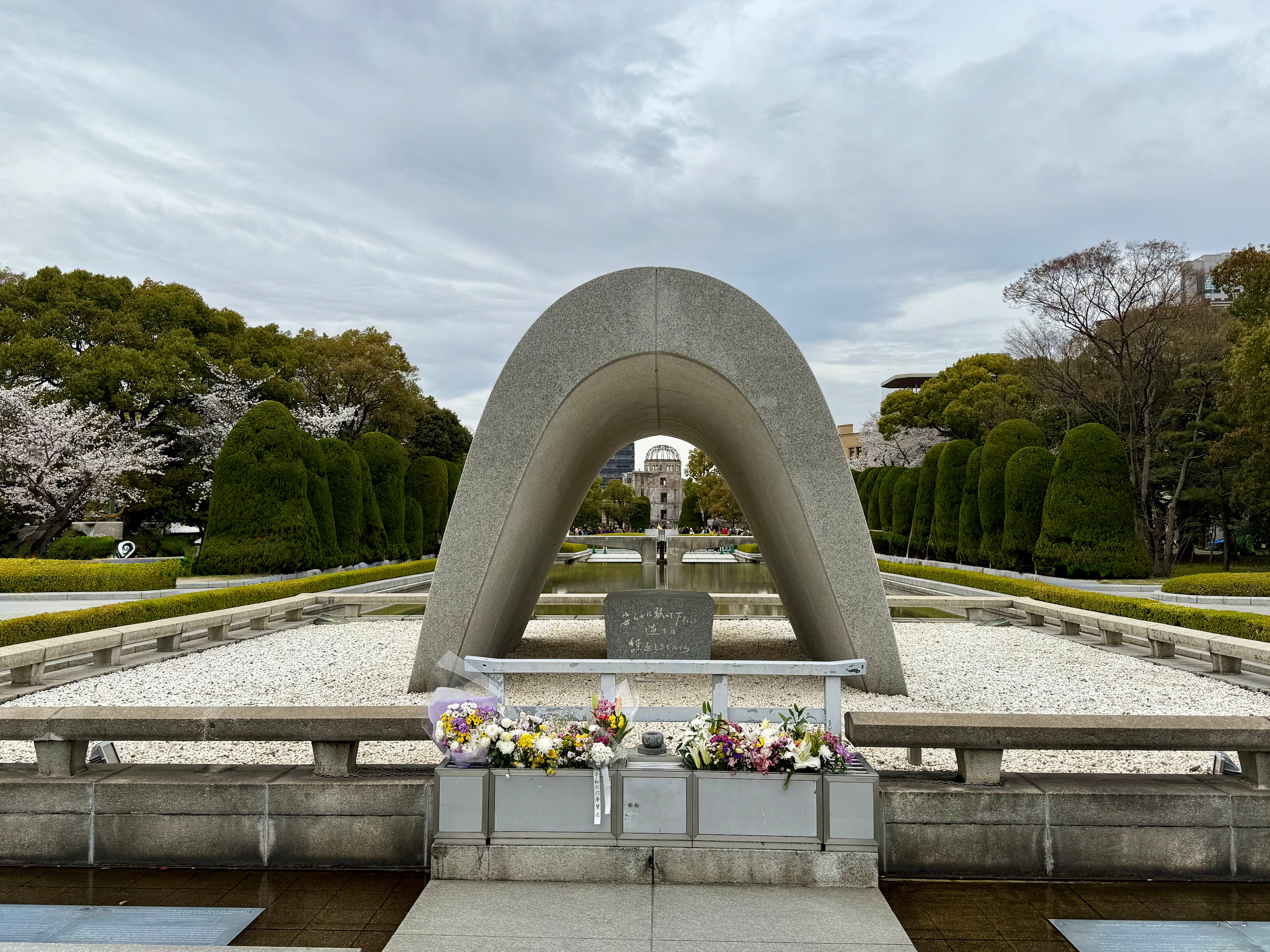
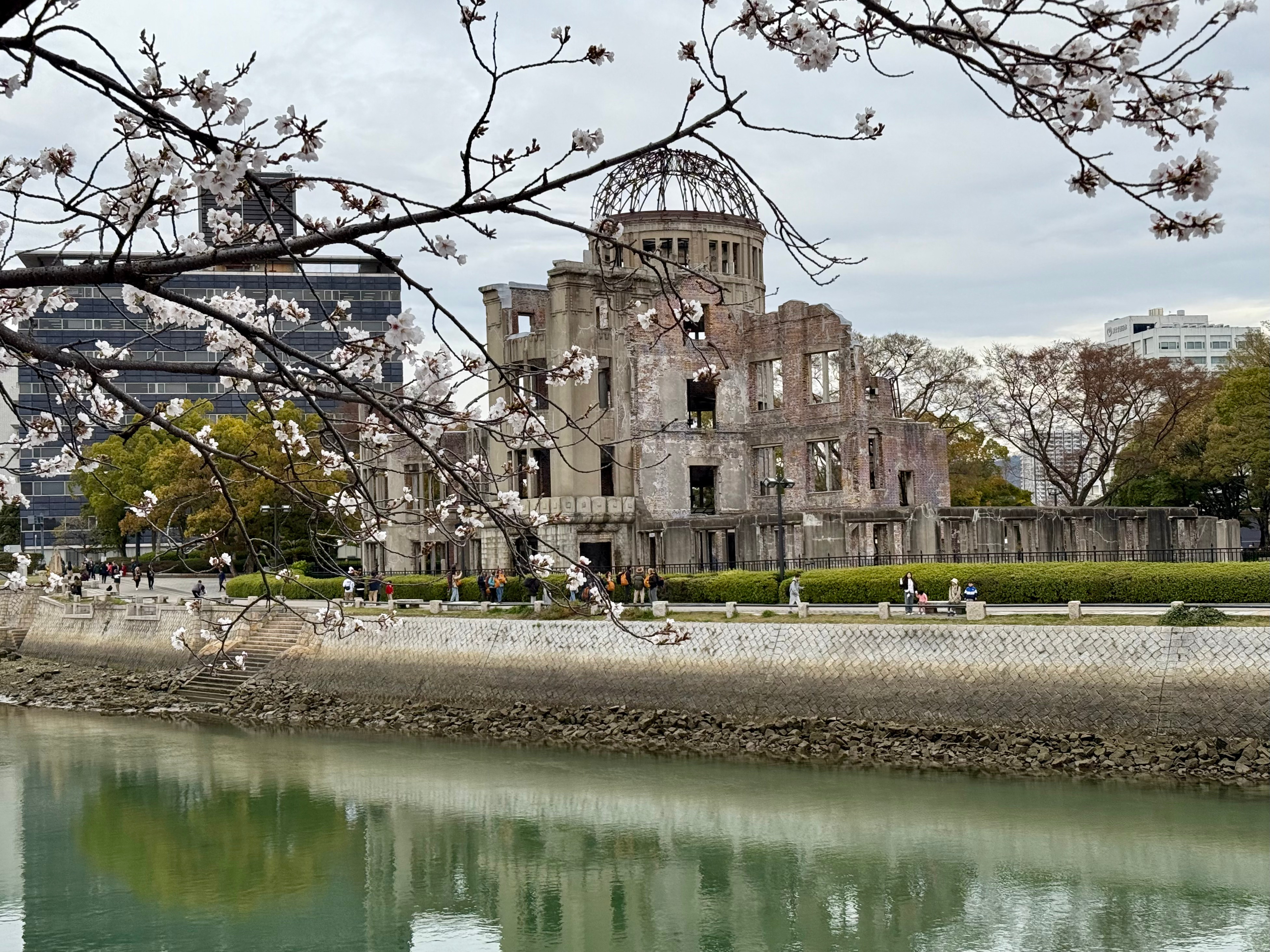
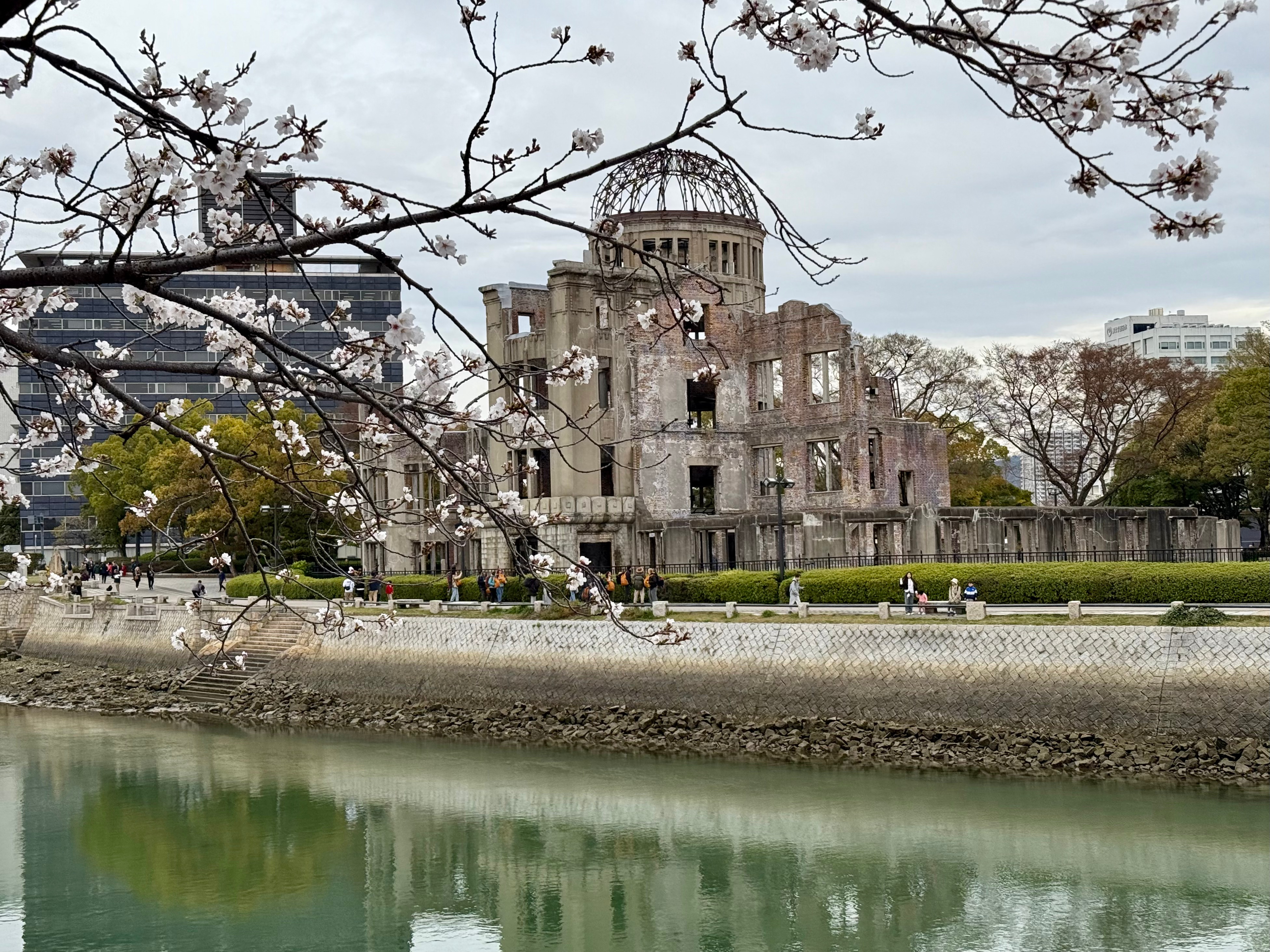
Hiroshima was our next stop on our Shinkansen journey. This gave me the same feelings I had when I visited Pearl Harbor. It was a sombering experience seeing the scars and the tragedy left behind from the evils of war. It was a great reminder why we as a human race must do better. Over 140000 people died in Hiroshima and the memorials that stand today are a great reminder that stand to honor the men, women and children who lost their lives on that fateful day.
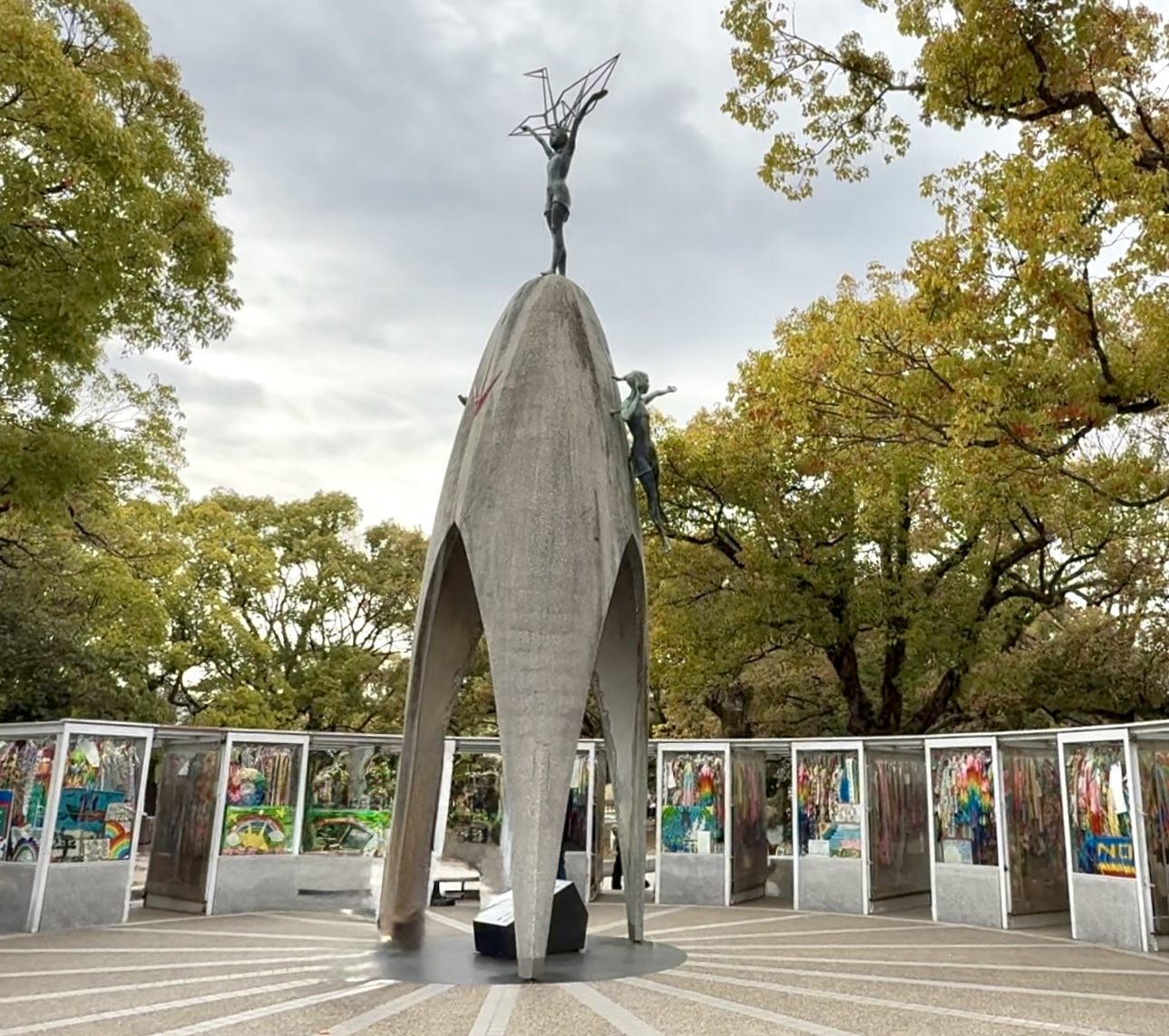
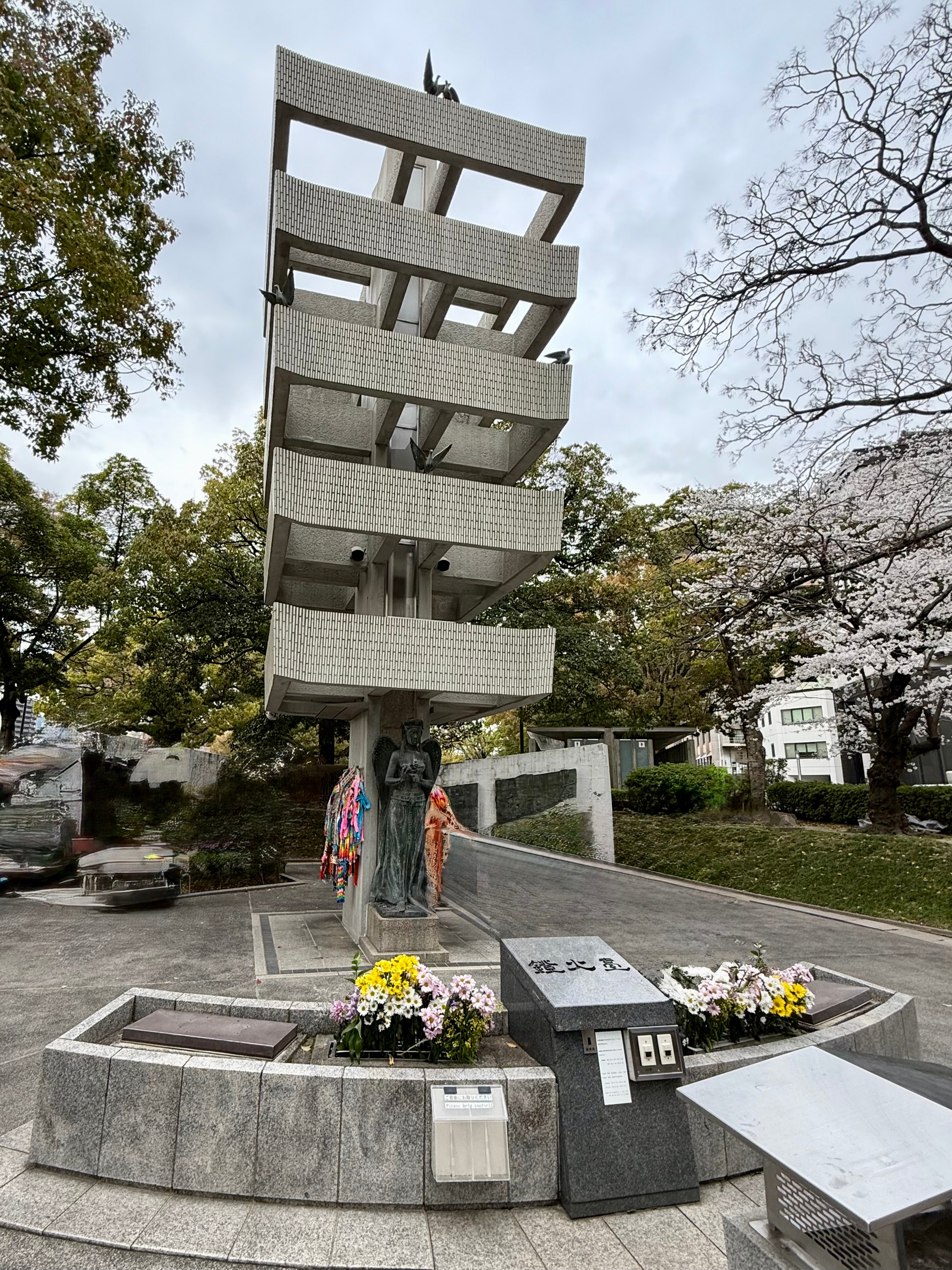
We visited Peace Memorial Park where Japan has declared a statement of peace. It is a beautiful memorial with an eternal flame, water structure, museum, Peace Memorial Hall for the atomic bomb victims, and the Children’s Peace Monument. As well as several statues, the Peace Bell, the Prayer Fountain and many tributes to remind us all why peace around the world is so important.
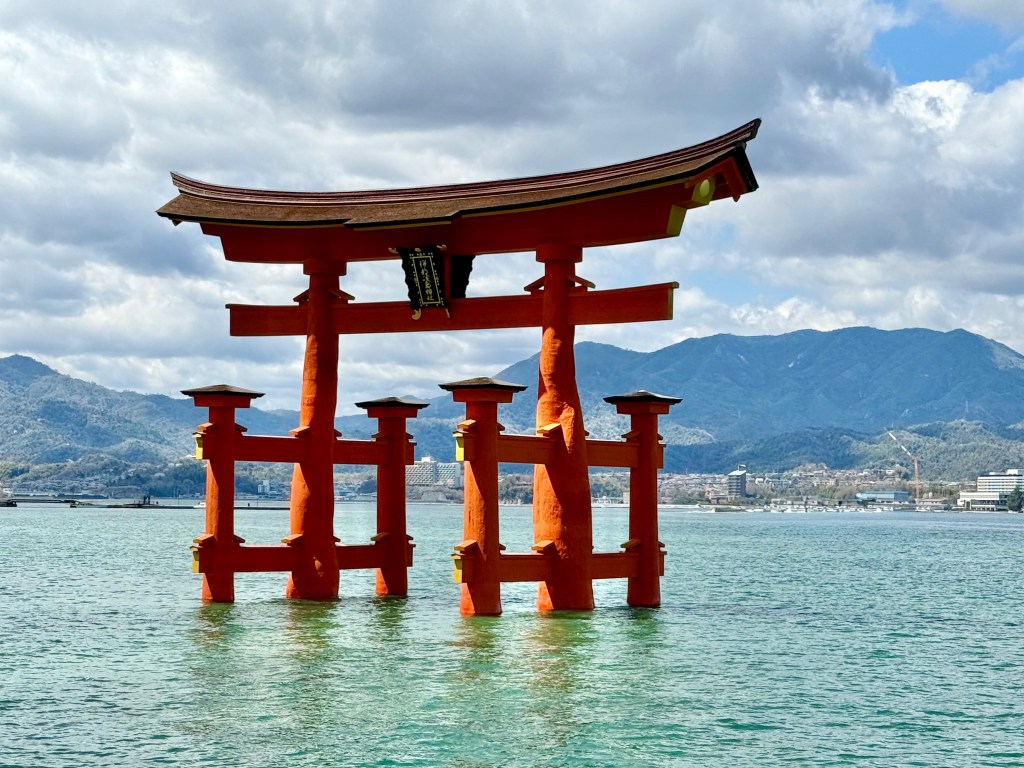
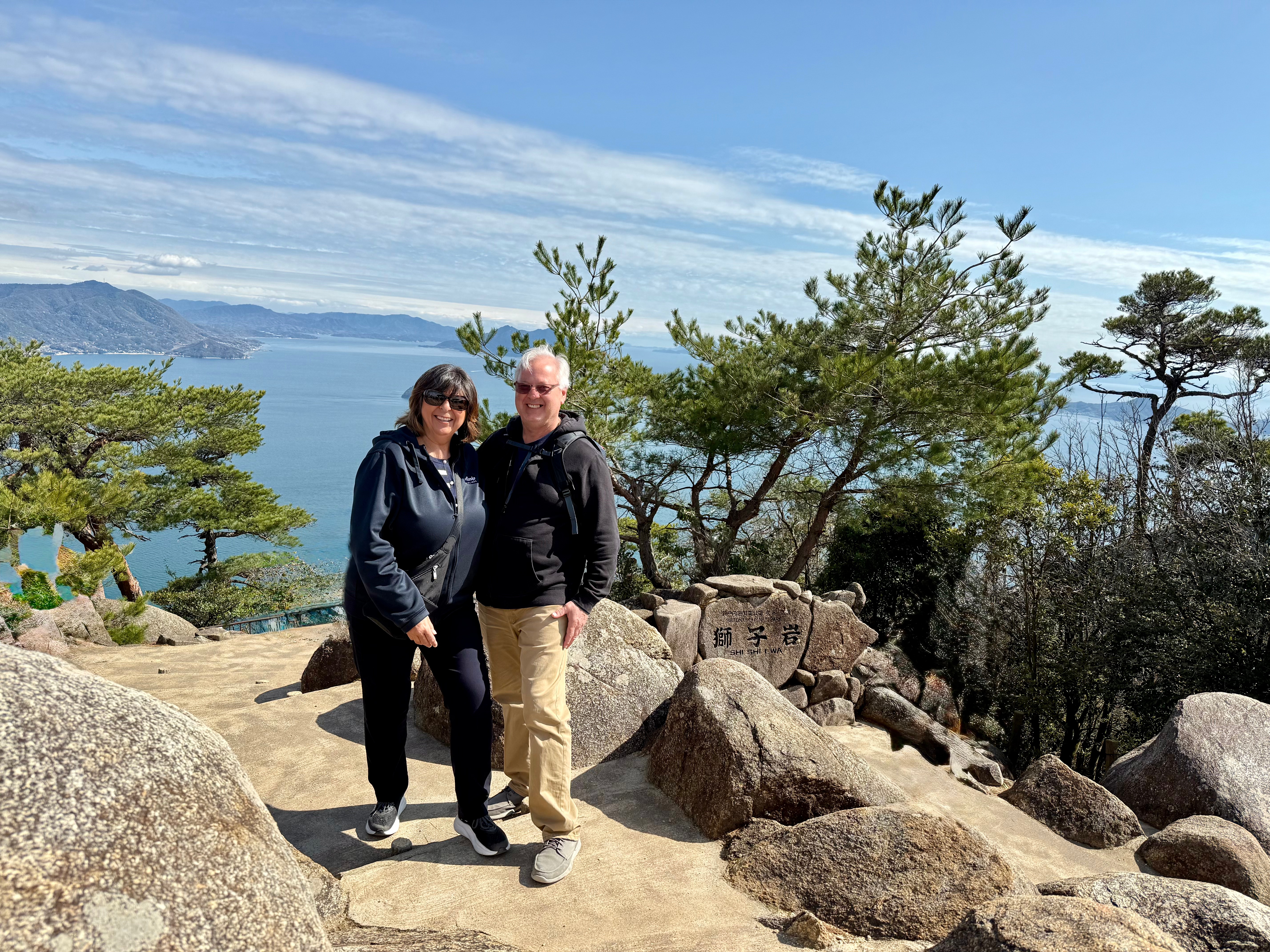
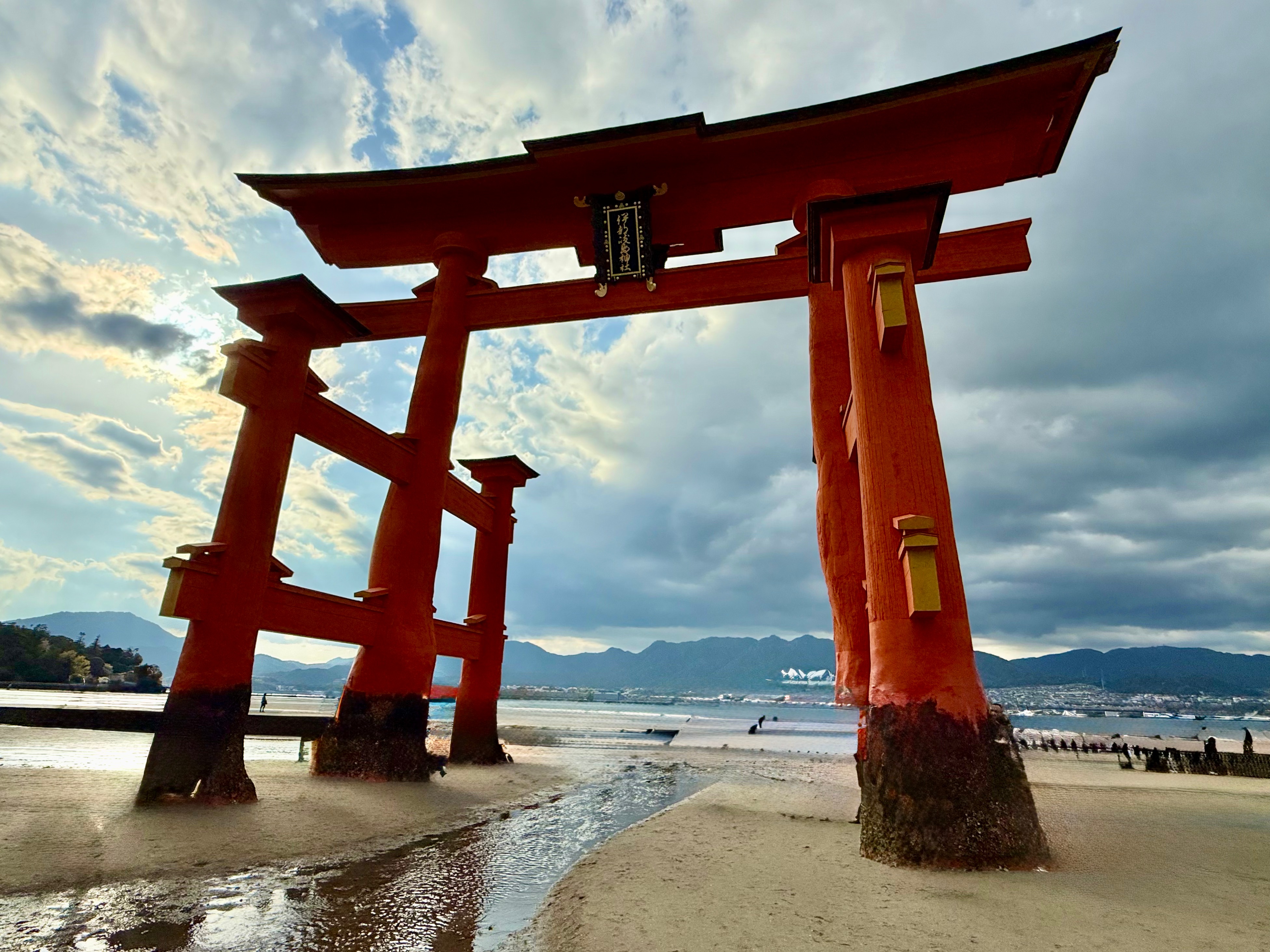
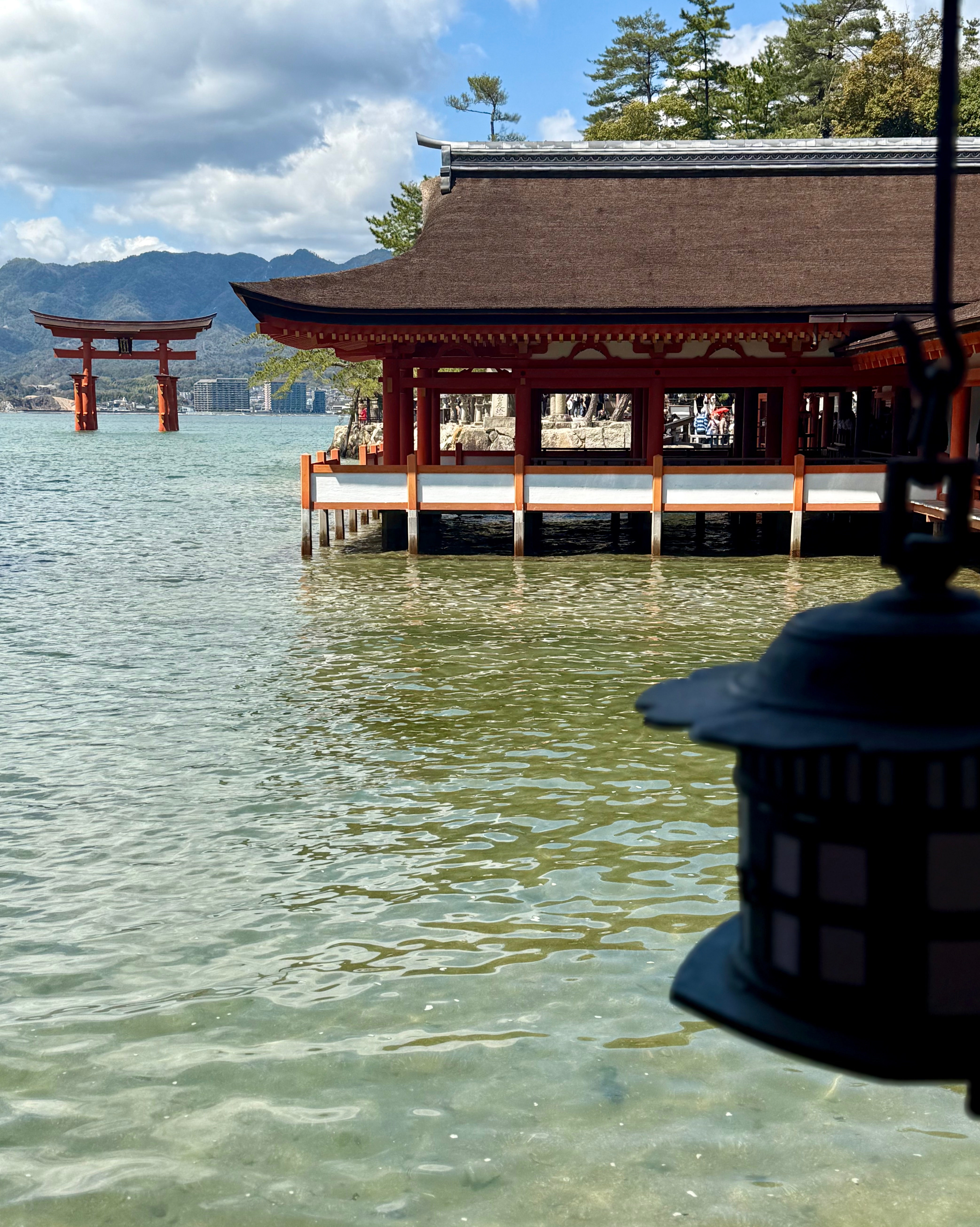
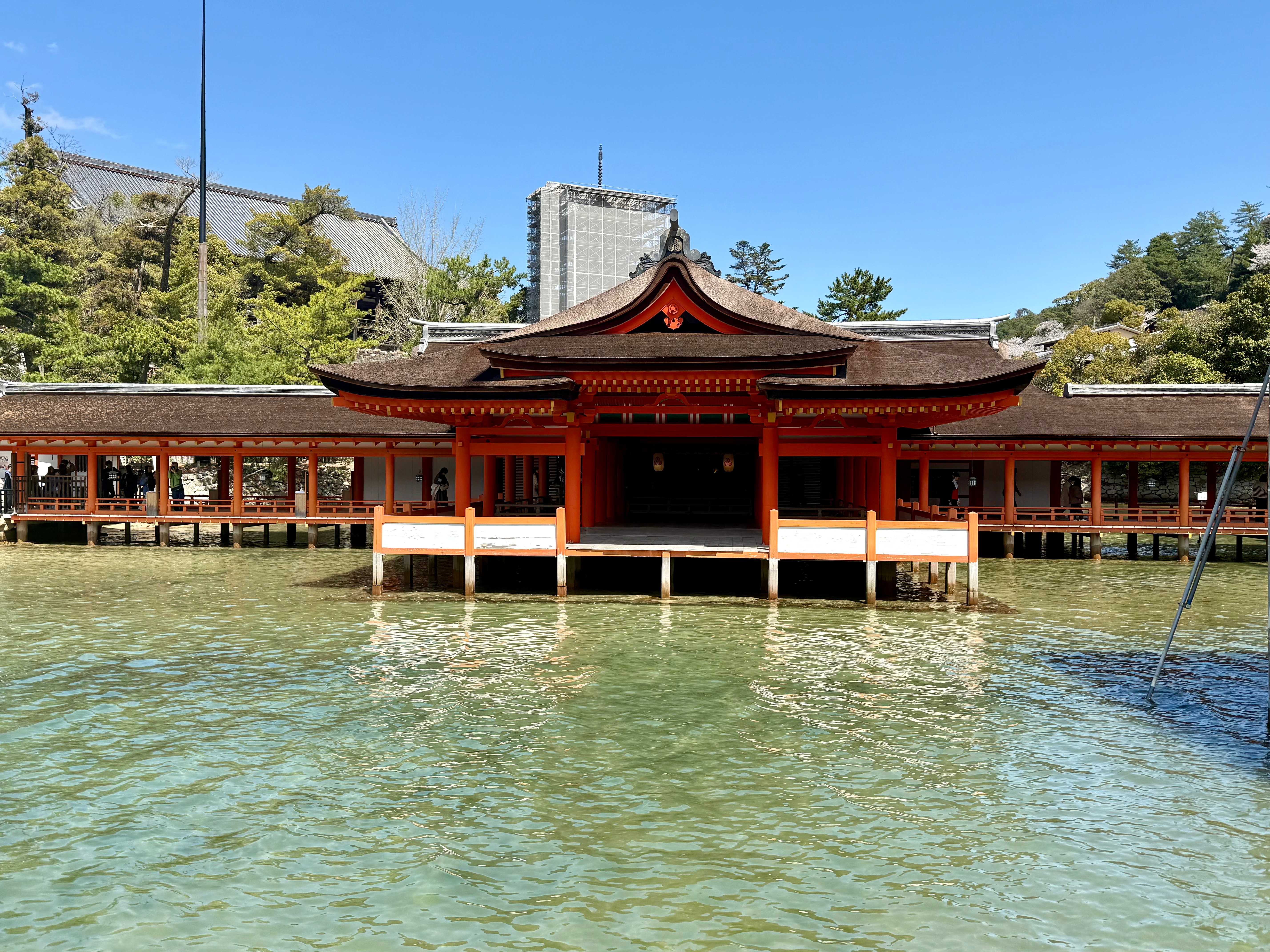
We also visited beautiful Miyajima Island which we took the train, about an thirty minute train ride from Hiroshima, then a ten minute ferry ride across to the island and even a ropeway to the top of the beautiful Mount Misen. For Ropeway information click here: https://miyajima-ropeway.info/english/. We arrived in time for high tide and enjoyed seeing the Torii Gate in the water, such a picturesque sight, we were met by cute little deer wandering through the small village, unlike Nara they do not want you to feed these deer, and we toured the Itsukushima Shrine and the Daisho-in temple. For Tickets and hours of operation information click here: Admission Itsukushima Shrine
We then hiked uphill to the ropeway to enjoy the most beautiful views you can imagine on top of Mount Misen. And after spending time on top of the mountain, when we arrived back down into town the tide had gone out and we were able to walk out to the giant Torii Gate and really get an up close view of this beautiful landmark. This was one of our favorite days, and I highly recommend this if visiting Hiroshima.

Nara
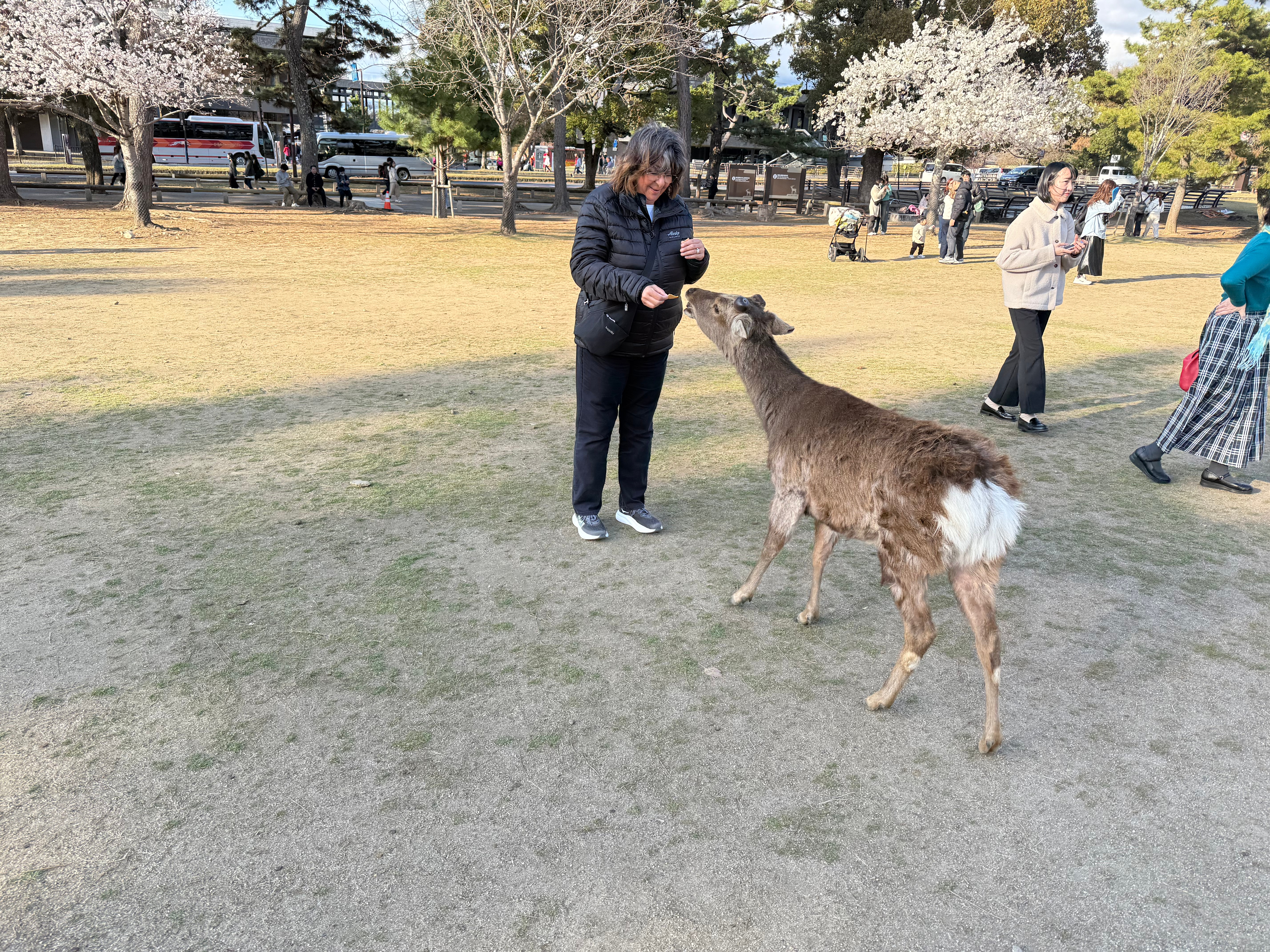
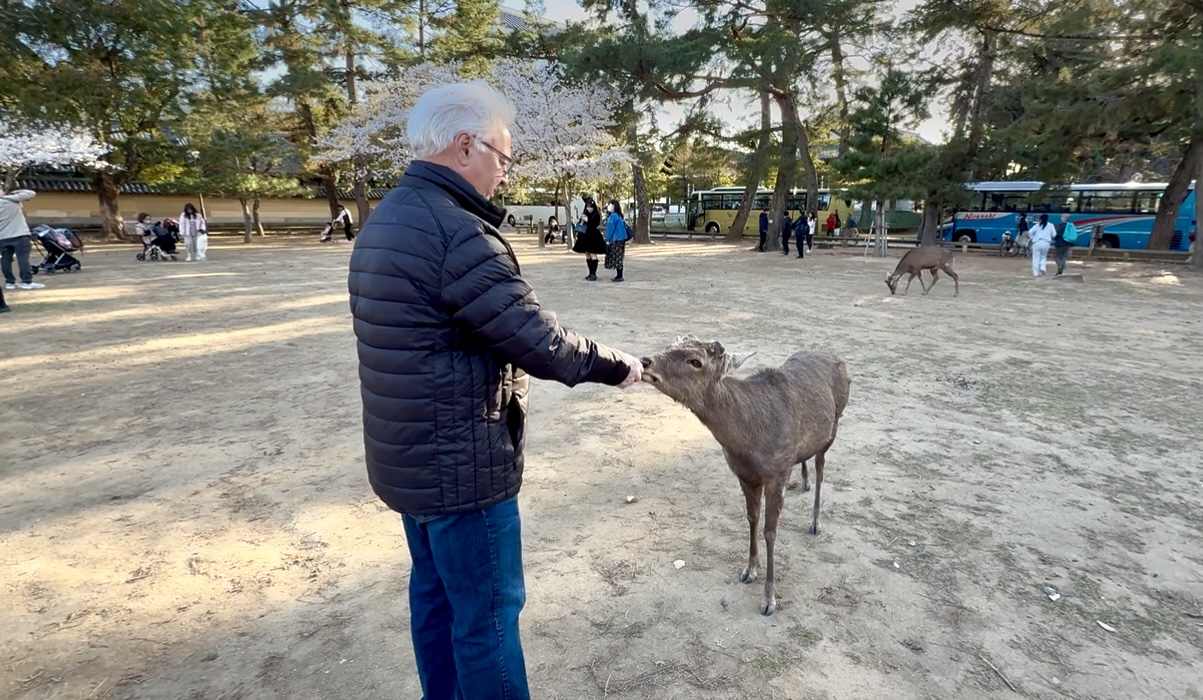
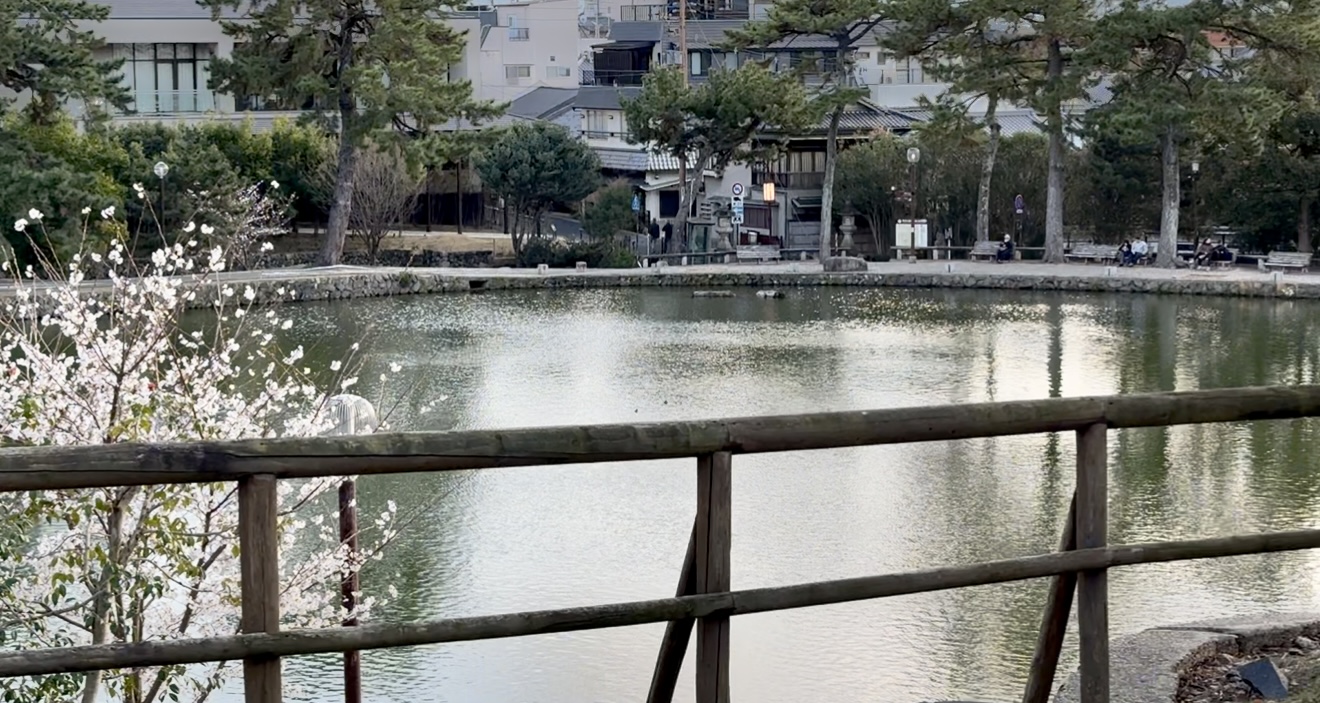
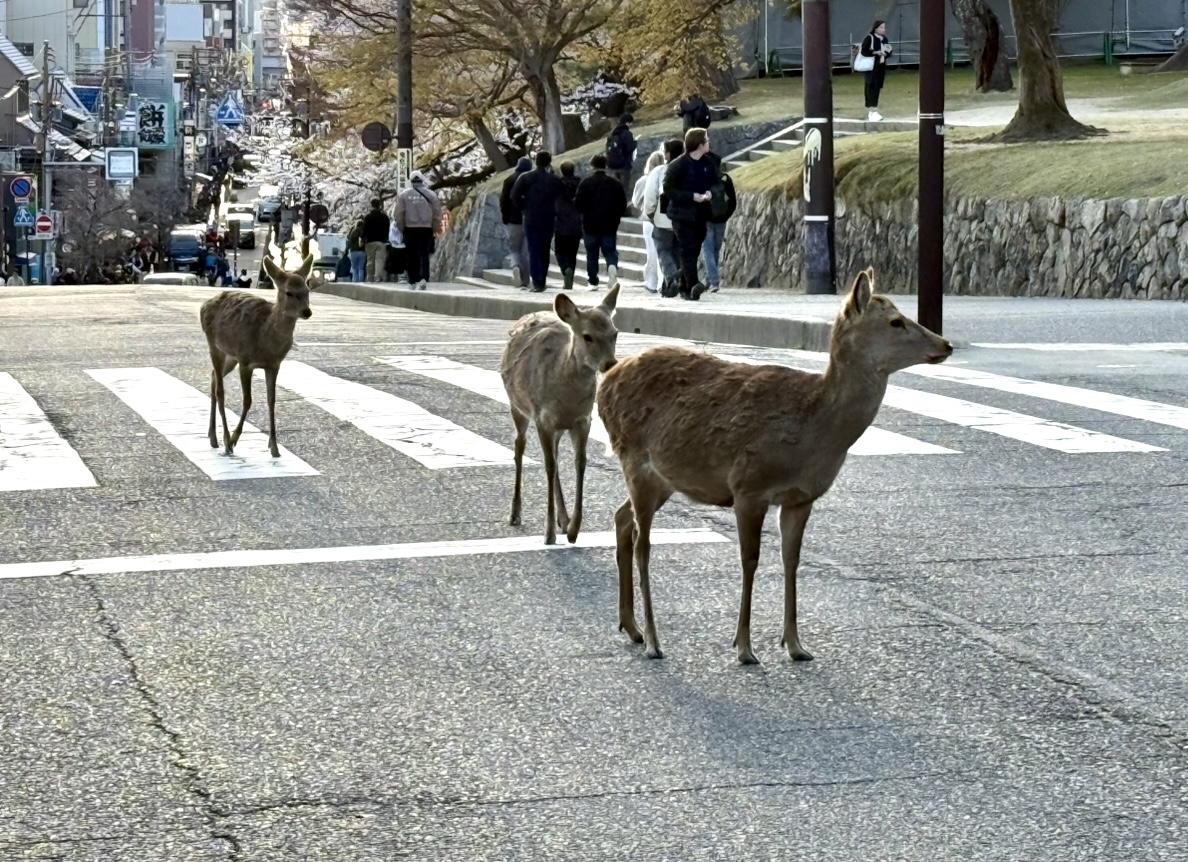
Our next stop was Nara, we added this stop on our itinerary as our daughter wanted us to go there to feed the bowing deer. We were running short on time and had originally planned on going to Osaka but bypassed Osaka for Nara.
Nara was a beautiful town, steeped in history. Established in 710. Nara is home to some of Japans oldest and largest temples.
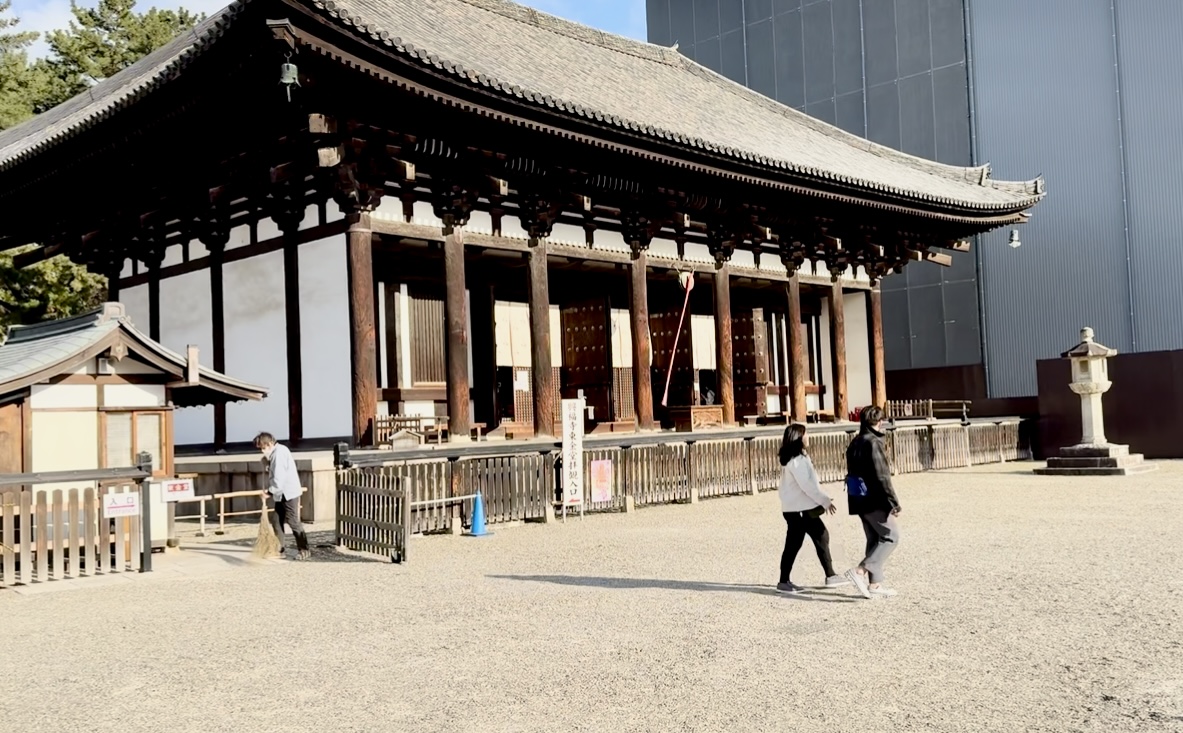
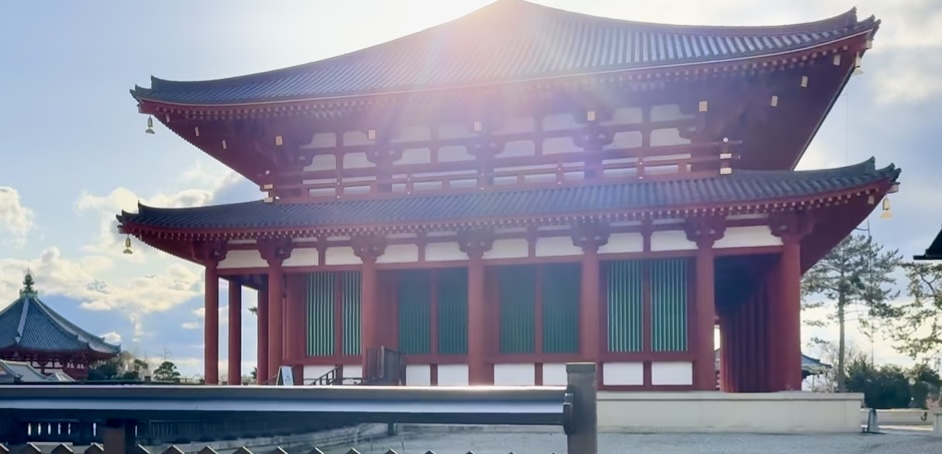
We visited the Todaiji Temple with its big Buddha statue, ticket information here: TOP Page – 東大寺 | Todaiji Temple Kofoku-ji Temple Kohfukuji Temple – Official Nara Travel Guide and Nara deer Park where you can feed the deer and be sure and bow as the deer will bow back. If you have more time, go to the Horyuji Temple, established in 607 this is home to one of the oldest temples and contains the world’s oldest surviving wooden structures, this is a designated World Heritage Site and has a five story Pagoda, main hall (Kondo) and the central gate (Chumon) built some time is the Asuka Period between 538-710. The main hall houses some of Japan’s oldest statues of Buddha, rare creations surviving the Asuka Period, you can visit the nearby lecture hall (Daikodo) which exhibits statues from the Heian Period of 794-1185. Just marvel at the history and enjoy the traditions of this remarkable culture in this beautiful city. for more information click here: Horyuji Guide – Official Nara Travel Guide



Yokohama
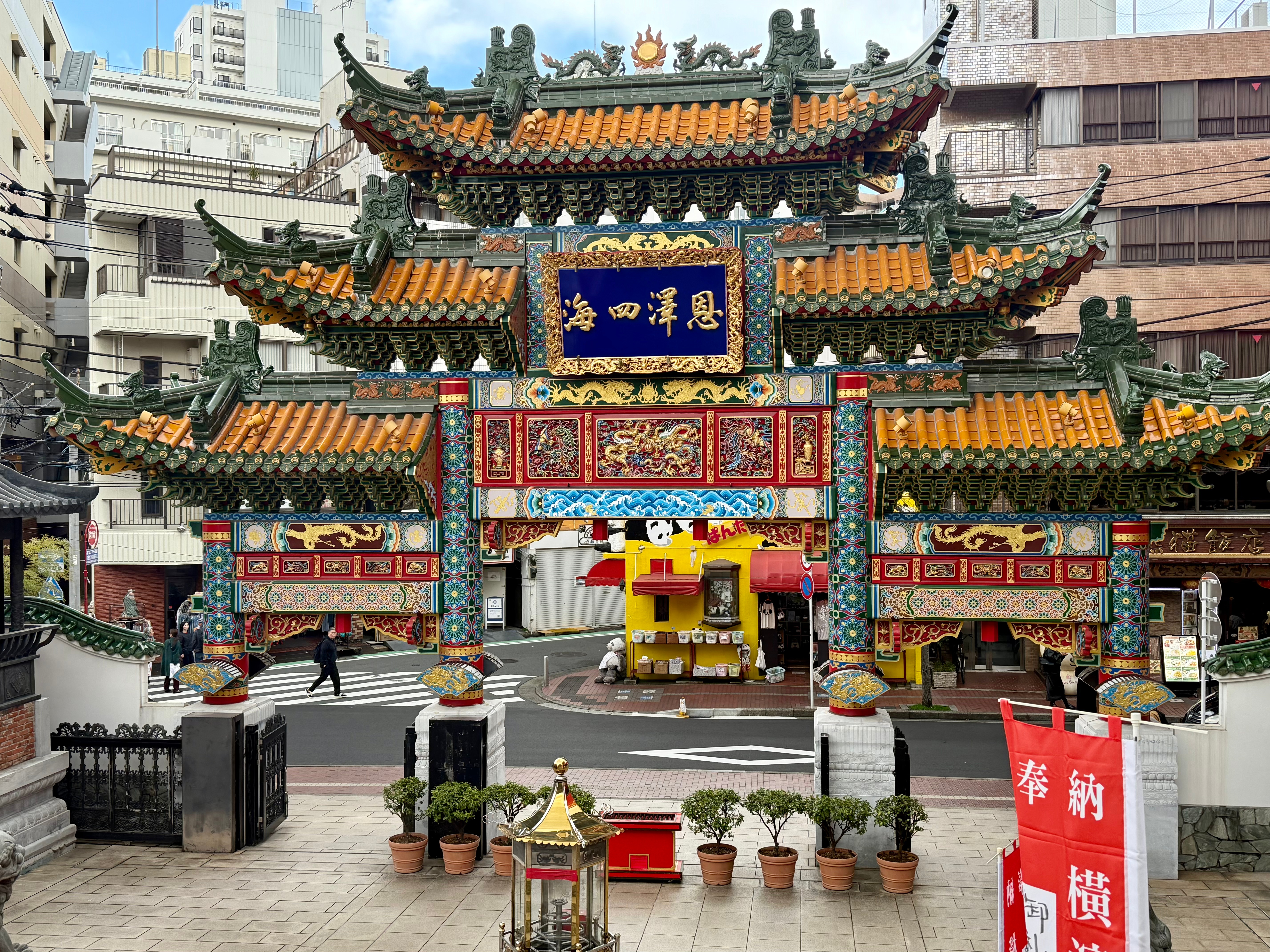
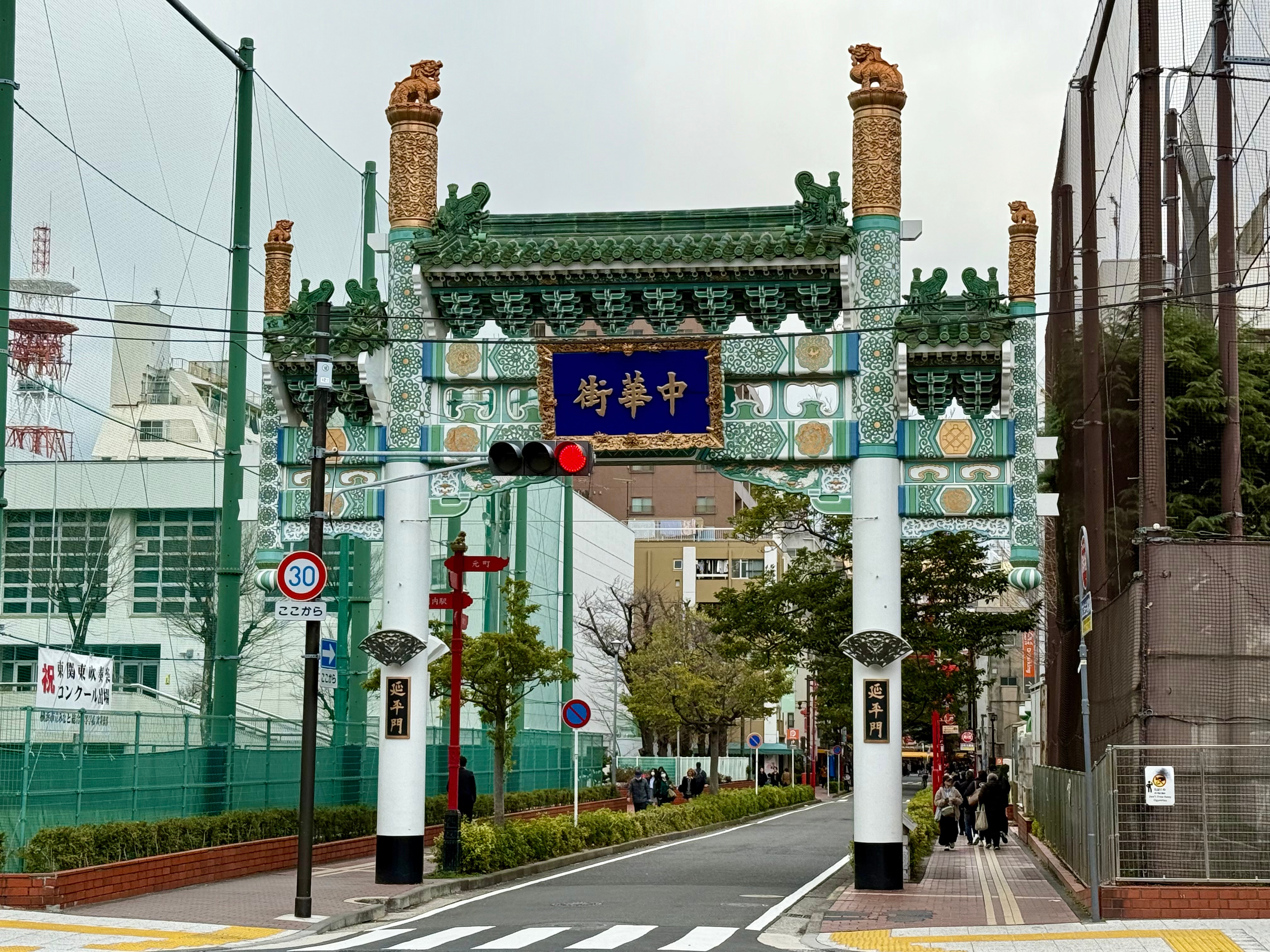
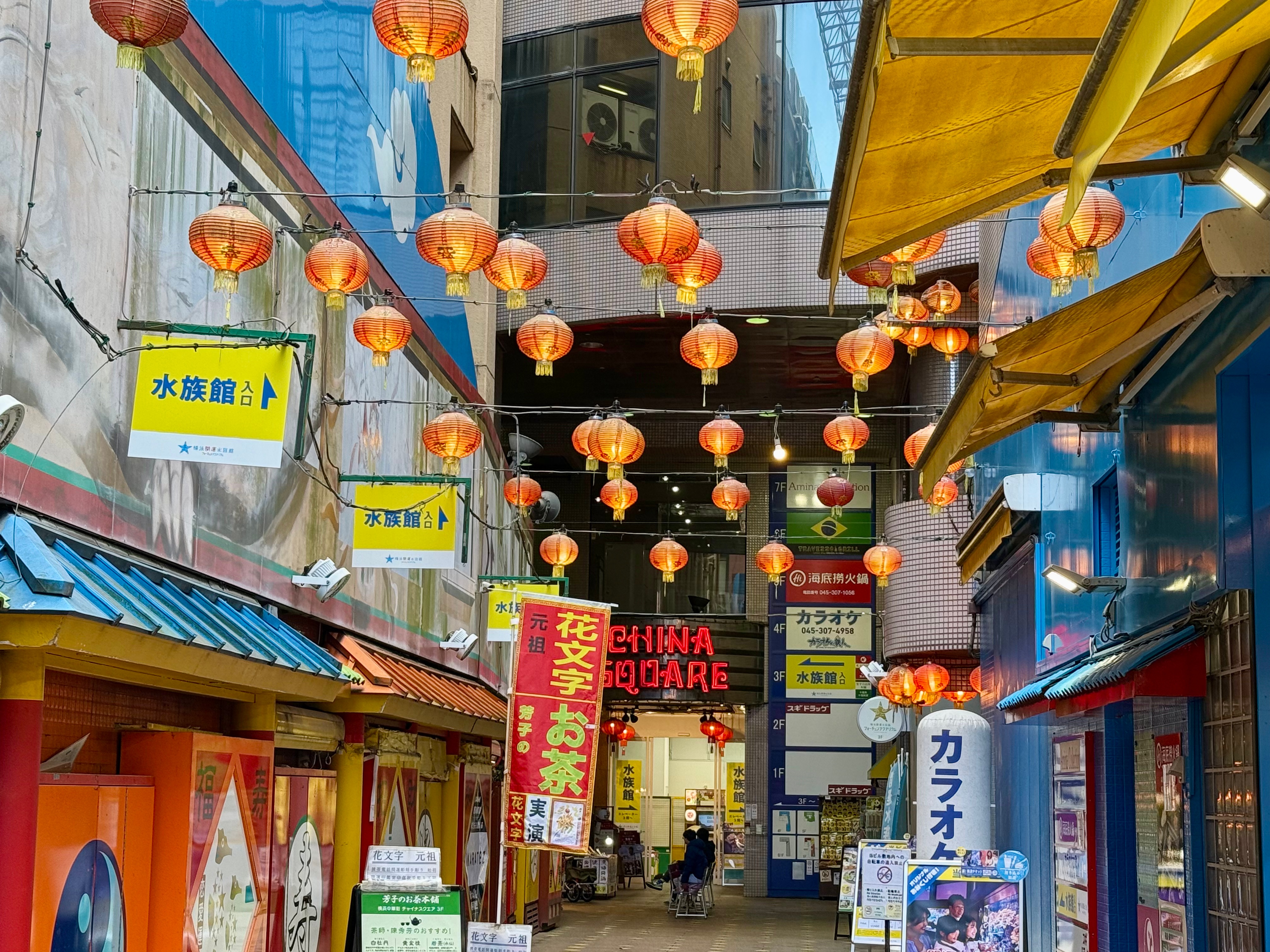
And our final stop on our month-long journey through Japan was back to Yokohama. We had been to Tokyo and Yokohama before so we did not revisit some of the places we had been prior except China Town, however we will still give recommendations of things we enjoyed about this this wonderful city
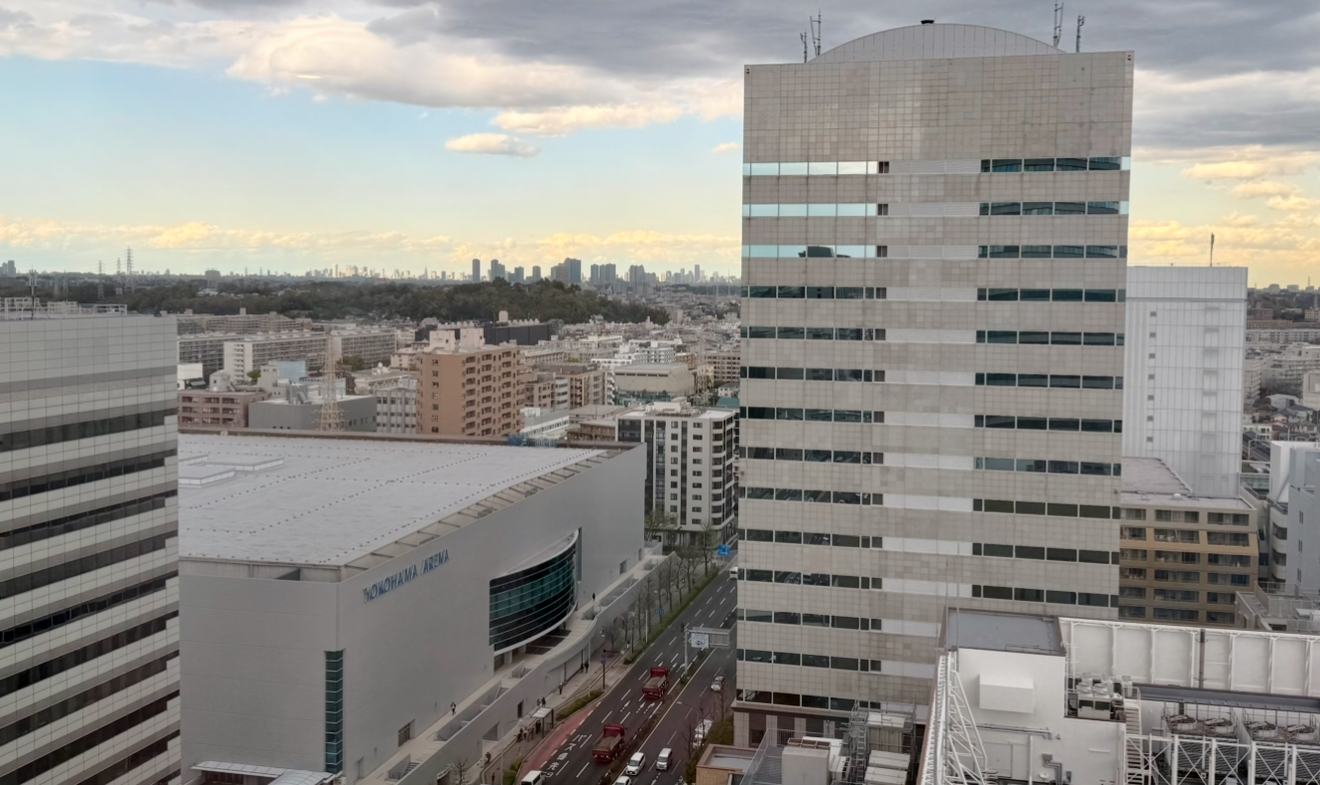
Yokohama is yet another wonderful city, the second largest city in Japan and a port city and high-tech industrial hub.
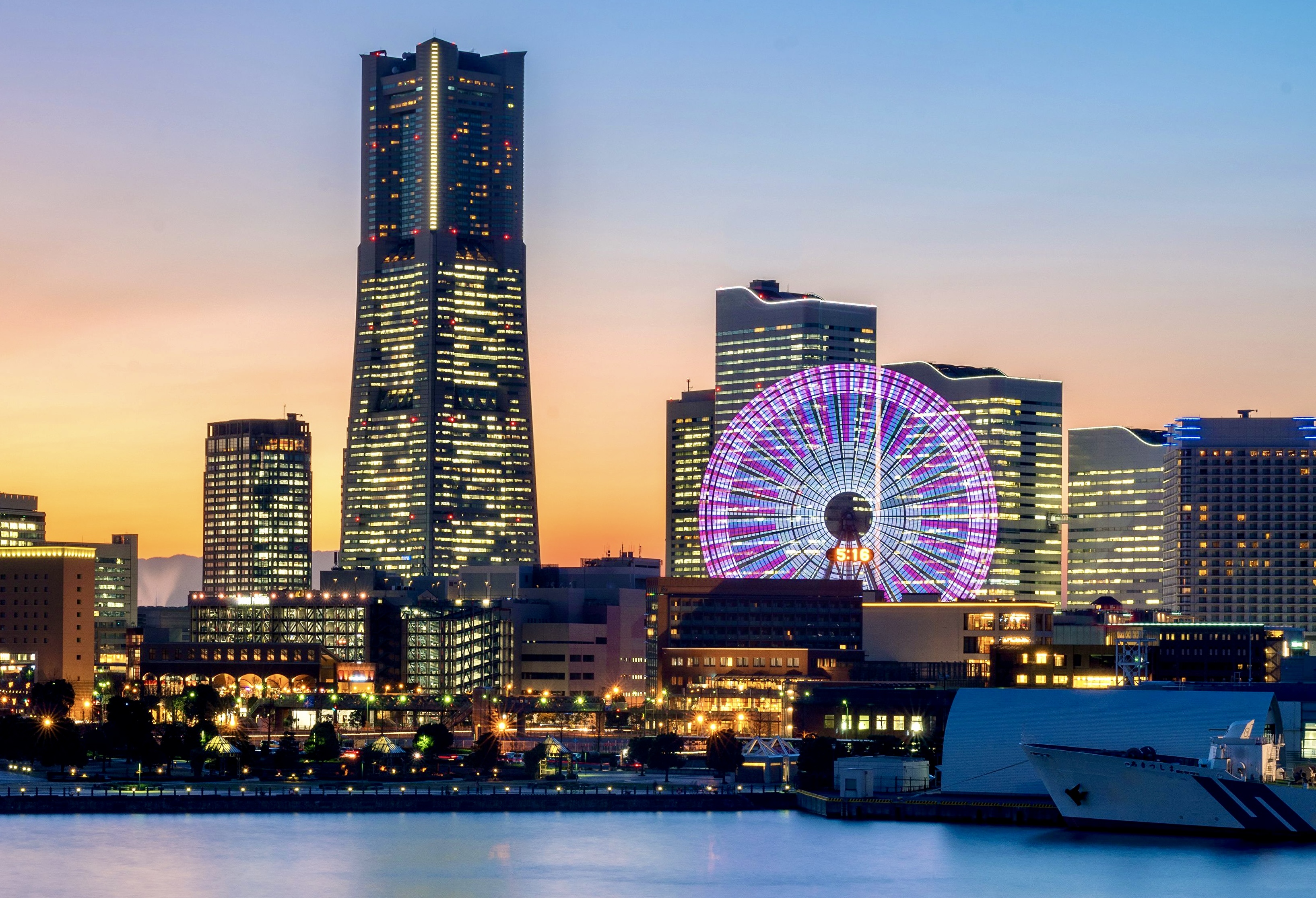
Besides being home to the largest of the three China Towns in Japan, Yokohama abounds in things to do. The CupNoodles Museum, not to be mistake for the Ramen Museum, the Showa-era ship Nippon Maru docked at the Nippon Maru Memorial Park, you can see or ride the giant ferris-wheel at Cosmo World, you can take a harbor dinner cruise or stroll through the beautiful gardens at Yamashita Park. Yokohama has endless shopping, dining and sights to see so enjoy this city and take in all it has to offer.